Search Results
810 results for “cat space”

Blue-fronted Amazon
The Blue-fronted Amazon is one of the more common Amazon parrots, with very bright plumage. Its drawback is a loud call, so it is best kept in a detached house where it will not disturb neighbors. Its diet is varied and easy to manage.

Chestnut-Fronted Macaw
The Chestnut-Fronted Macaw rivals the large macaws in talking ability. It has very beautiful plumage, a medium build, and a featherless face covered with small black spots. It originates from the tropical regions of the Americas.

Blue-headed Macaw
The Blue-headed Macaw is the most expensive of the small parrots, mainly because of its scarcity, low popularity, and obscurity—truly a case of rarity commanding a premium. In captivity it is easily tamed and quite robust, adapts well, and like other macaws loves to chew and is destructive, so regular bathing keeps its plumage healthy. It suits a fairly roomy, flight-capable aviary.
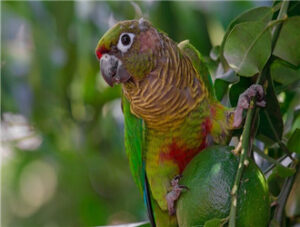
Green-cheeked Conure
The Green-cheeked Conure (Pyrrhura molinae), also called the green-cheeked parakeet, is a typical climbing bird with richly colored plumage. It is mainly distributed in the highlands of eastern Bolivia.

How Long Do Holland Lop Rabbits Live? (And How to Care for Them)
Holland Lops are loved for their small size and cute looks, but they live shorter than average rabbits—usually 5–7 years. Good care (free roam, proper diet, health checks, clean housing) can extend that toward 10–12 years.

Chinchilla Personality and Behavior
Chinchillas are gentle, timid, curious, and clean, and they form bonds with their favorite person. Understanding their social, nocturnal, and herbivorous nature helps you care for them without fighting their instincts.

Can the Chinese Three-striped Box Turtle (Cuora trifasciata) Be Kept with Fish?
No—the Chinese three-striped box turtle is omnivorous and will eat small fish, needs shallow water unlike most aquarium fish, and fouls the water heavily. Keep it with gentle turtles such as the Chinese pond turtle, never with aggressive red-eared sliders or snapping turtles.

What to Do When a Newly Bought Turtle Won’t Eat?
A new turtle refusing food is normal while it adjusts to its home, but it can also mean low temperature, deep water, or illness. Here are the common causes and how to coax it to eat.

How to Litter Train Your Rabbit
Rabbits learn litter use with patience in about ten days to two weeks. Set a low plastic tray with litter and a hay rack beside it, seed it with the rabbit's own droppings and urine, and reward success while cleaning misses with deodorizer and vinegar. Older rabbits learn faster, and intact rabbits mark territory when in heat, so neutering at 4 to 6 months (small/medium) or 8 to 9 months (large) curbs accidents.

How to Improve the Survival Rate of Young Rabbits
Weaned rabbits under three months old have the lowest survival rate of any age group, with more than half of deaths caused by digestive disorders. Boost survival by minimizing stress during the transition, keeping a calm and clean environment, feeding small frequent meals of digestible high-fiber pellets, and following a strict vaccination and coccidiosis-prevention program.