Search Results
810 results for “cat space”

How to Care for a Cat with a Sensitive Stomach
To reduce digestive problems, owners should brush the cat often, keep its environment comfortable, feed sensibly, encourage exercise, deworm and vaccinate on schedule, and monitor its stools. A cat's gut is fragile, so a balanced diet, clean bowls, slow food changes, and avoiding harmful human foods (chocolate, onion, garlic) all matter.

Why Do Cats Like Living as Strays Outdoors?
A cat may prefer the stray life for many reasons — a love of freedom, the hunt, looking for companions or family, loneliness, or being in heat. A cat with stray experience adapts better outside; though it must scavenge and even go hungry, it's free with companions. In short, a cat leaving for the streets isn't necessarily treated badly — it may just prefer that life.

Why Does Your Cat Become Less Affectionate as It Grows Up?
A cat may grow distant for many reasons — physical and mental changes, a settled environment, weak early socialization, a naturally independent character, or new habits. It doesn't mean the cat likes you less; cats show love differently, like resting quietly by you. Understand its nature, keep giving care, and watch its health.
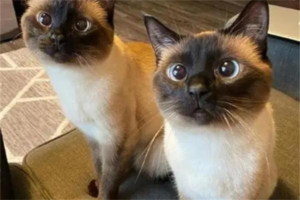
How to Show Your Cat You Love It
Cats feel love through gentle petting, daily play, a safe and cozy home, good food, and respect for their boundaries. A soft voice, a slow blink returned, and regular brushing all tell a cat it is cherished.
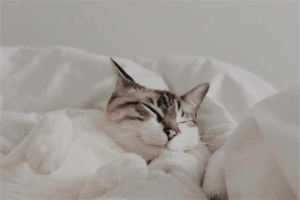
Does a Cat Need a Pillow to Sleep
Cats don't need a pillow — they usually curl up to sleep — but they love warm, soft, safe spots, so they may choose your pillow when no proper bed is offered, or for security and to mark territory. If your cat prefers a pillow, give it a cat-sized one.
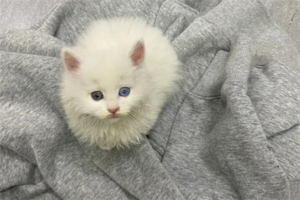
Signs Your Cat Is Lonely
Cats may be solitary by nature, but they still feel loneliness, and long hours alone show up as destructive behavior, excessive meowing, over-grooming, clinginess, oversleeping, or staring out the window. Ease it with a second cat, daily play and affection, and a consistent feeding routine.
Why does my cat make a huffing or puffing sound?
A cat's huffing may reflect unstable emotions in a new environment, in which case give it space and time. If accompanied by eye or nose discharge, lethargy, or appetite loss, it may signal a respiratory infection.
Why does a cat stick out its tongue?
A cat may stick out its tongue from heat, stress, grooming, or, rarely, respiratory or heart disease. If it otherwise acts normal, it is usually nothing to worry about.

Why Do Cats Meow?
Cats meow to communicate needs and moods — attracting mates in heat, asking for food or water, coping with a new home, seeking attention, signaling injury or illness, or expressing emotion. A sudden spike in meowing with signs of distress means a health check.

Why Does Your Cat Always Steal Your Seat When You Get Up?
Cats claim your warm, scent-marked spot for comforting reasons: your lingering smell and pheromones soothe them, the residual warmth is inviting, they're marking territory, or they're fishing for attention. It's less annoyance than affection, a sign of a close bond. If you'd rather they didn't, you can gently redirect the behavior.