Search Results
1123 results for “cat skin”

What Are the Signs of Fever in a Dog?
A dog with a fever loses interest in food, turns quiet and withdrawn, and develops a dry, hot nose and ears. Catching these signals early lets you check the temperature and start cooling before the illness worsens.

Don’t Fall for These Winter Dog-Warming Myths
Dogs have their own natural cold tolerance, so piling on clothes, adding heated beds, or over-bathing in winter can do more harm than good. Dress only the most vulnerable puppies, skip the heating pad, and bathe no more than about every two weeks with a dog-safe shampoo.

How to Get Rid of Fleas on Your Dog: Effective Removal Methods
Fleas are blood-feeding external parasites that make dogs itch, damage the skin, and can spread other infections. Effective removal means treating the dog, disinfecting the home, and repeating the process because flea eggs are hard to kill and resist a single treatment.

Can Dogs Get Fevers?
Dogs absolutely get fevers, from a chill or strep to pancreatitis, distemper, or parvo. Never just dose with fever pills; find the cause with a vet, since puppies often have an infection behind the fever.
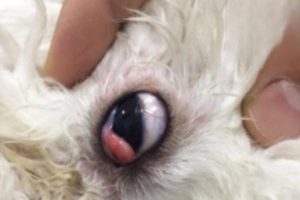
Bump Near a Dog’s Eye: What to Do
A bump under the eye can be skin disease or a growth, so a vet must identify it before you treat. Growths may need surgery; infected lumps respond to a vet skin spray and ointment, plus clean surroundings.
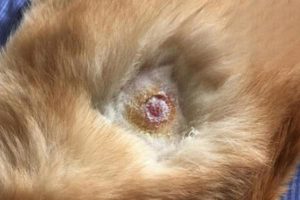
Do Pet Dogs Carry Bacteria?
Dogs pick up bacteria from raw food, dirty water, public places, and their own toys, and the germs can harm both pet and owner. Skin or gut infection shows as itching or vomiting, and the fix is a vet diagnosis plus clean living.

Can Canine Distemper Be Cured?
Canine distemper is a highly contagious viral disease with over 50% mortality, but caught early it is often treatable. Symptoms move from mild fever and diarrhea to severe eye and nerve damage, so any suspected case needs immediate veterinary care.

What to Do If a Newborn Kitten Gets Ringworm
Newborn kittens catch ringworm easily because their immune systems are still weak. The response is the same as for any cat: isolate, treat the spots gently, boost nutrition, and keep the environment clean, but with extra care given their tiny size.
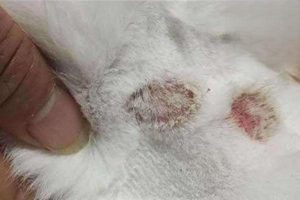
How Long Does Ringworm Take to Heal in a Kitten
Ringworm is a fungal, contagious skin infection that shows up most often in underweight or weak kittens. With isolation, medicated care, and good nutrition, mild cases typically clear in a few weeks, but treatment must continue until the infection is fully gone.
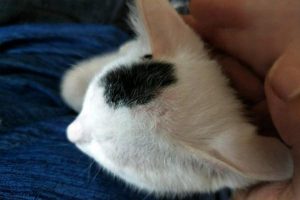
What Those Hard Lumps on a Kitten’s Head Mean
A hard, painless white lump on a kitten's head that neither grows nor fades is often a sign of ringworm. Ringworm comes from contact with fungi like Microsporum canis or Trichophyton, thriving in damp, dirty places. It causes scaly spots and hair loss, is contagious to people, and needs vet care plus topical antifungal ointment and good hygiene.