Search Results
1123 results for “cat skin”

Symptoms of Demodectic Mange (Demodex) in Dogs
Demodectic mange is a very common skin disease in dogs, caused mainly by abnormal proliferation of Demodex mites. Every species, including humans, has its own mites. Demodex rarely causes disease in cats, horses, cattle, or people because it is not contagious. This article lists the skin signs and the juvenile and adult forms.

Diseases with Symptoms Similar to Feline Liver Failure
Liver failure is an abnormality that occurs when the liver is affected by impaired blood flow, reduced oxygen supply, hepatotoxic drugs or chemicals, excess heat, or infectious agents. Liver failure can occur in dogs and cats of all ages and breeds. It may affect multiple organ systems, including the liver and gallbladder, nervous system, gastrointestinal tract, and blood system. Affected pets may show various symptoms, including anorexia, lethargy, depression, vomiting, diarrhea, seizures, abdominal fluid accumulation, bleeding, and jaundice (yellowing of the skin).
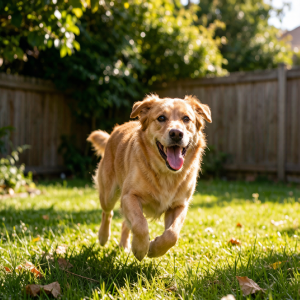
How to Prevent Parasites in Dogs
A parasite is an organism that lives in another organism, called the host. The dog is a host for parasites. Often, the parasite needs the dog's body to survive and can harm the dog.

Symptoms and Treatment of Dehydration in Dogs
Dehydration occurs when the body's water falls below normal levels, usually involving loss of water and electrolytes such as sodium, chlorine, and potassium. This article describes the signs of dehydration in dogs, how it is diagnosed, and how it is treated.
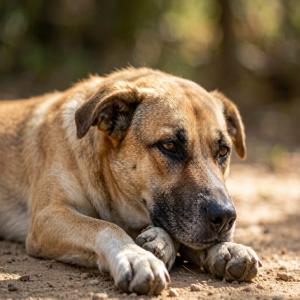
Causes and Diagnosis of Dehydration in Dogs
Dehydration can be caused by many diseases or abnormalities, which fall into two broad categories: reduced fluid intake and increased fluid loss. This article explains the common causes and how veterinarians grade dehydration severity by skin elasticity and lab tests.

Treatment for Inflammatory Bowel Disease (IBD) in Dogs
IBD in dogs is treated with a novel or hydrolyzed-protein diet, antibiotics (metronidazole, tylosin), corticosteroids (prednisone), sulfasalazine for the colon, and sometimes azathioprine. Home care means strict meds and diet, regular follow-up, and watching for infection or steroid side effects.

Can Dogs Eat Avocado?
The answer to 'Can dogs eat avocado?' is yes—dogs can eat avocado as a healthy treat, and they love its soft texture. Avocados are low in carbs and high in antioxidants, but the pit and skin pose choking and blockage risks. Learn how to feed avocado to your dog safely.

Dog Ear Discharge: Symptoms and Treatment
Ear problems are among the most common dog complaints, and discharge is usually the first sign — most often from infection. Scratching and head-shaking start it, then secondary bacterial or yeast infection sets in. Here is how the vet works it up.

Black Spots on Your Corgi’s Belly: What They Mean
Black spots on a corgi's belly are usually harmless pigment, common in the breed. But if they come with redness, itching, or hair loss, parasites or fungus may be the cause, and a vet check is wise given the breed's low, ground-close body.

Concentrated Salmon Oil for Dogs: What to Know
Salmon oil is a rich source of omega-3 that supports a dog's skin, coat, and joints. Choose a dark, well-sealed bottle, dose by weight, and avoid overfeeding to prevent loose stools.