Search Results
295 results for “cat sex”

Rabbit Louse Infestation: Signs and Treatment
Rabbit pediculosis is caused by the rabbit blood-sucking louse (Haemodipsus), spread by contact, that bites and itches the skin, causing restlessness, weight loss, and poor coats, worst in kits. Spot the lice and yellow eggs at the fur base; treat with ivermectin injection or coumaphos/trichlorfon/fenvalerate washes, and prevent by quarantine, cleaning, and routine deworming.

How to Prevent Skin Disease in Shih Tzu Bear Hamsters
The Shih Tzu bear hamster has long, beautiful fur but is prone to skin disease. Causes include wrong bedding (wood shavings, paper pellets) that mats the coat, and urine left on the fur causing hair loss and sores. Treat by clipping and cleaning the spot, then applying an antifungal or antibacterial medicine with an Elizabethan collar. Prevent it with a roomy, dry, cool cage, cat-litter or tissue bedding, litter training, and regular sand baths.
What is the price of a chinchilla?
Chinchillas generally cost 2000-5000 yuan, varying with channel, sex, age, appearance, bloodline, and vaccination status. Avoid messy pet markets.
What Does an Oriole’s Call Sound Like?
Orioles have varied calls; soft, clear notes when content; startled, they squawk and flutter, even defecating from tension. A low rumbling sound usually means they are in mating condition.
How long does it take for two budgerigars to mate?
Generally a male and female budgerigar will mate within 3 to 7 days together. Not all pairs succeed; mutual preening and feeding after mating indicate success. Choose mature, healthy, similar-sized birds and offer egg millet during pairing.
An eight-month-old puppy has swelling around the urethra, white discharge, and yellow urine, but eats and acts normally
White discharge near the urethra depends on sex; in males it may be normal heat secretion or a secondary urinary infection from licking, while in females it may indicate vaginitis, endometrial infection, or pyometra. Get an ultrasound and treat accordingly; otherwise use pet anti-inflammatory drugs and iodine, with a collar.
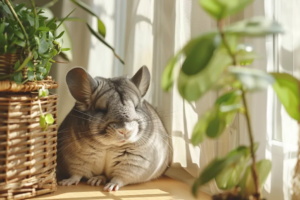
How to Handle a Chinchilla in Frequent Heat
Chinchillas breed readily, and frequent heat can make both owners and pets uncomfortable. Adult males are almost always ready to mate, while females come into heat about once a month, becoming noisy and restless. If you plan to breed, provide a quiet, well-prepared environment and proper nutrition; if not, separate cage-mates, offer chew toys and interaction to burn energy, and consider neutering. Because repeated heat shortens a chinchilla's lifespan and raises stress, neutering is the most fundamental, health-protecting solution for non-breeding pets.
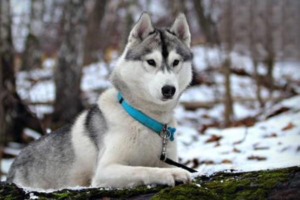
Canine Infectious Hepatitis: Can It Be Treated
Canine infectious hepatitis is an acute, often severe viral disease of dogs caused by canine adenovirus type 1 (CAV-1). It spreads through urine, saliva, and nasal discharge and hits weaned puppies hardest, sometimes with no warning signs. Typical signs include a fever that rises then falls, lethargy, vomiting, diarrhea, and a characteristic cloudy "blue eye" in about a quarter of recovering dogs. While there is no direct cure that eliminates the virus, most dogs recover with prompt supportive care such as fluids, liver protection, and antibiotics to control secondary infection. The good news is that the disease is highly preventable through routine vaccination, with puppy shots given at 8-9 and 10-12 weeks and annual boosters for adults.

What Is Canine Methemoglobinemia
Familial methemoglobinemia is an inherited defect in the enzyme that converts methemoglobin back to normal hemoglobin, so a dog's blood carries less oxygen. The hallmark is a persistent bluish discoloration of the gums and chocolate-brown blood. Most affected dogs live for years with few signs, but oxidant exposure can turn it dangerous.

Why a Dog That Stops Moving in Winter May Have Arthritis
As the deep cold of winter sets in, some owners notice their dog no longer wants to go out or play, blaming the weather, but the real cause may be osteoarthritis. OA affects 30 to 50 percent of dogs and cats and is not only age-related; even young dogs can develop it, with breed, age, sex, weight, and genetics all playing a role. It is a whole-joint disease where cartilage breakdown outpaces repair. Signs include less activity, stiffness after rest, painful swollen joints, and irritability. Management combines weight control, sensible exercise, NSAIDs for pain, and therapy with joint supplements.