Search Results
42 results for “cat separation anxiety”
What Kinds of Cats Are the Most Affectionate
Cats have a reputation for being aloof, so when one chooses to cuddle and beg for attention it feels like a real win. Affection shows up as following you room to room, jumping on your laptop, sleeping in your bed, sitting on your lap, meowing or pawing for notice, and rubbing its face on you. Male cats tend to be cuddlier than females because they act on instinct and, after neutering, pour that need for contact onto their owner. Breeds like American Shorthair, Ragdoll, Maine Coon, and Siamese lean affectionate. Build trust by meeting the cat's needs and respecting its space, but beware over-dependence: too much clinginess can become separation anxiety, a real stress disorder worth managing.
Signs Your Cat Feels Neglected
Cats are sensitive souls, and when they feel short on affection they show it in quiet, telling ways. From carelessness and slipping health to blanket-sucking, constant clinginess, mischief, and separation anxiety, these six behaviors signal a cat craving more of your attention. If life has kept you busy, make time to give that love back.

Alprazolam (Xanax) Use in Dogs and Cats
Alprazolam, commonly known by the brand name Xanax, is used in dogs and cats mainly as an anxiety reliever and muscle relaxant, often for storm phobia.

What to Do When Cats Keep Fighting Each Other
Cats fight for many reasons—food guarding, play, toy rivalry. Spay/neuter all cats, keep claws trimmed, give each 10–15 min of daily play, use bells to track them, swap scents with a towel, and try facial pheromones (Feliway). Separate fighters with a blanket or loud noise, then restart desensitization and counter-conditioning.

How to Train a Cat That Poops or Pees Outside the Litter Box
When a cat starts eliminating outside the litter box, it is usually signaling something specific: an unpleasant box, stress, a medical problem, or territorial marking. Figuring out which pattern you are seeing is the key first step, and most cases improve once the underlying cause is addressed.

Why Pets Constantly Lick Their Paws
Dogs/cats licking paws is normal; don't panic. But if too frequent, check the pad for redness/swelling; if found, see a vet - long ignored, infection worsens.

How to Deal With Eczema in Dogs
Dog eczema (moist dermatitis) itches badly and hides under the fur early. Causes include low skin immunity, damp coat, allergies, and over-grooming from pain or anxiety. Treatment: clip fur, zinc oxide, regular meds, and an E-collar.

Why Are Beagles Given Up So Often?
Beagles are rehomed so often because they bark loudly, need 1–3 hours of exercise daily, are food-obsessed and stubborn, and prone to separation anxiety. With daily outings and early training they can be wonderful, devoted companions.

What Age Is Best to Bring a Kitten Home?
The best age to bring a kitten home is 12–16 weeks. Weaning is around 8 weeks, but 8–12 weeks is the golden window for learning bite control, litter use, and social rules from mom and siblings, and the first vaccine is at 8–9 weeks when immunity is still weak. Wait until after the second (11–12 weeks) or third (14–16 weeks) vaccine to avoid panleukopenia and herpes. A ready kitten eats dry food, uses the litter box, plays well, has had at least one vaccine, and weighs over 1 lb.
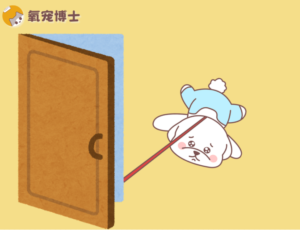
Why Won’t My Dog Go for Walks Anymore?
A dog that suddenly refuses walks is usually 'afraid' rather than 'lazy' — something on the route scares it, its paws or joints hurt, or it is stressed, anxious, or bored of the same path. Don't force it; rule out pain first, then rebuild confidence slowly with treats and short, positive outings.