Search Results
30 results for “cat separation anxiety”
Cat Destroying the House or Peeing Everywhere? It May Be Separation Anxiety
A cat that wrecks furniture, pees on the bed, cries for hours, stops eating, or over-grooms when left alone may have separation anxiety — not just mischief. Causes range from early trauma and environment changes to clingy breeds and single-person attachment. Fix it with desensitization to leaving cues, environmental enrichment, and scent-based security.

Do Cats Really Need Companionship?
Wild cats are mostly solitary and many seem aloof, so people assume they never feel lonely. In truth, cats can feel lonely and need your company, they just don't show it the way dogs do.
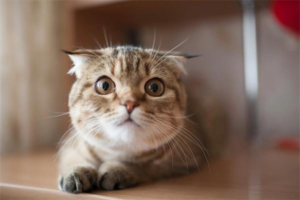
Why Does Your Cat Tear Up the House, and How to Stop It
Cats tear up the house from anxiety, teething, boredom, attention-seeking, revenge, or mineral deficiency. Prevent damage by trimming nails, using caps or furniture covers, and giving scratching posts and cat trees to burn energy.
How to Treat a Dog’s Separation Anxiety
Use gradual short departures lengthened over time, leave clothing or a comfort toy, increase social exposure through play, and for severe cases consider antidepressant medication with a vet.
Thinking About Getting an Exotic Shorthair (Garfield Cat)? Read This First
The Exotic Shorthair is a gentle, quiet breed, but it comes with real health trade-offs: tear-stained eyes from narrow tear ducts, brachycephalic breathing trouble, a sensitive 'glass' stomach, and genetic risks like polycystic kidney disease. Make sure you have the time, energy, and budget before bringing one home.

Signs and Causes of Anxiety in Dogs
Anxious dogs may seem restless, tired, fearful, or start hiding and even self-harming. Common triggers include separation, loud noises, new environments, poor socialization, and past scares. Knowing the signs and cause lets you ease the anxiety with training, a safe space, and gradual desensitization.
Why Does My Cat Scratch When I Get Home?
When your cat scratches as you walk in, it is usually a happy greeting — a way to release the stress of being alone and to re-mark the territory with its own scent after you return carrying outside smells. It is a sign of love and trust, not rejection.

5 Levels of How Much Your Cat Loves You
Cats show love quietly. The five levels run from simply watching and trusting you, to seeking you out, bringing you 'gifts,' exposing the vulnerable belly, and finally showing distress when you're gone. Wherever your cat lands, the key is to respect its individual personality.
Choosing a Cat Dewormer: Why Combination Spot-Ons Suit Multi-Cat Homes
For mostly-indoor cats, a broad-spectrum, gentle combination spot-on is the most cost-effective and stress-free choice—and because most cats hate pills, a transdermal drop avoids force-feeding and the anxiety it causes, which is ideal for beginners and multi-cat households. Useful active types include imidacloprid-moxidectin (prevents a dozen-plus internal and external parasites and heartworm), fipronil-methoprene-eprinomectin-praziquantel (adds tapeworm and tick coverage for outdoor or raw-fed cats), and selamectin (very gentle from six weeks, pregnancy-friendly). In a multi-cat home the real work is operational: deworm all cats together, dose strictly by weight, use an Elizabethan collar and separation to stop licking, and avoid baths 48 hours around treatment. Above all, prevention beats treatment.
Why Has My Cat’s Personality Changed?
A sudden change in a cat's temperament can come from heat, neutering, strong pain, illness, a teenage 'rebellious' phase, or psychological stress. A cat in heat grows restless and may spray, then settles after; neutering usually makes it calmer and lowers reproductive-disease risk. Pain makes a cat reject touch and lash out, so see a veterinarian if it guards a body part. New pets, punishment, or loneliness can also trigger fear or retaliation, and sensitive cats can develop anxiety or depression without enough companionship.