Search Results
38 results for “cat refuses food”
On the first day home I had no cat food so I fed chicken breast; now my cat refuses cat food. What should I do?
A cat may show reduced appetite as a stress response to a new environment, which is normal. To avoid stomach upset from a sudden food change, learn the cat's previous feeding routine — frequency, portion size, and brand — and keep the original diet for the first day, feeding small amounts often.
What to Do When Your Cat Refuses Canned Food (Kibble Addiction)
If your cat refuses canned food, it may have developed kibble addiction, caused by free-feeding dry food. Here is how to transition it gradually.

Is Your Cat Hard to Bond With? (Signs and What to Do)
A cat that seems impossible to bond with is rarely born defiant—it usually shows clear behavioral clues and a hidden reason behind them. Such a cat refuses close contact, pretends not to hear its name, guards its food, claims a corner as territory, hides constantly, or even tries to escape. The causes range from a strong independent nature and sex differences to a stray past marked by abuse or the mood swings of an unspayed cat. The fix is patience: give the cat space, build trust through food on a fixed schedule, avoid sudden stimuli, and consider pheromone sprays. Most 'untamable' cats will gradually accept you when treated with respect.
What to Do When Your Cat Has a Fever
Cats get fevers just like people, but a cat's fever is rarely simple - it can signal parasites, stress, bacterial infection, panleukopenia (feline distemper), feline herpesvirus, or various inflammations. A fever is not a small matter: left alone it can damage organs and even turn deadly. Telltale signs include hot ears and tail tip, a dry nose, sweaty paw pads, and a cat that suddenly prefers cool floors and dark corners while eating less and looking limp. Normal cat temperature runs 38-39C (about 39.3C in kittens); above 39.5C is a fever and above 40C is high. For a mild fever or when a clinic is out of reach, cool the paws and belly with alcohol and offer water, but never give human fever medicine, which can be fatal - see a vet for high fevers.
Cats Evolved in Deserts But Still Need Water
Wild cats get 70-80% of their water from prey, so a dry-kibble home cat that also refuses water faces real danger. A cat needs about 40-60 ml per kg of body weight daily (a 4 kg cat: 160-240 ml). Low intake concentrates urine and triggers a chain of trouble: bladder and urinary disease, kidney disease, cystitis, even life-threatening urethral blockage. Check dehydration by skin elasticity (slow rebound) or gums (sticky when dry). Boost intake with wet food, raw meat if skilled, a fountain for moving water, or a syringe; never give tap water - use cooled boiled or purified to avoid parasites.
Why Is Your Cat a Picky Eater?
Picky eating often has a simple cause. A too-deep bowl blocks access; stale kibble loses its smell to a sensitive nose; an unwashed bowl grows microbes that ferment and repel the cat; or the cat simply dislikes the current flavor - some prefer fish, some chicken, and 'digging' at the bowl means try a higher-protein food. Signs: refusing kibble but loving treats, cans or meat; eating a bite then playing; if it ignores even favorite treats, suspect illness not pickiness. Long-term pickiness brings malnutrition, anemia and low blood sugar, so keep meals calm and switch to a palatable food when needed.
Is a Cat That Won’t Eat Just Picky, or Something Worse?
A cat turning up its nose at food is not always simple fussiness. There is a world of difference between a picky eater and a cat with pathological anorexia, and confusing the two can be dangerous, since starving an anorexic cat only speeds decline. This guide shows how to tell them apart, the warning signs that demand a vet, and gentle ways to tempt a reluctant eater back to food.
Key Points Not to Ignore When Feeding Cats
Feeding a cat well means more than good food. Not all cats digest milk, so skip it. Cats are picky and bored by the same kibble, so change diet slowly over days. Tempt a refusenik with freeze-dried treats, but don't overdo it. Offer complete balanced food, wash bowls, and for kittens add a little meat weekly and soften kibble with warm water.
Symptoms of Fever and Colds in Cats
A cat's normal temperature runs higher than a human's, but cats get fevers and colds too. Because they cannot tell us, the signs are easy to miss. Look for a cat that suddenly prefers cool floors and shady spots, has a hot dry nose, seems unusually sleepy with rapid breathing, and has warm ears and belly. Low urine output points to dehydration. Watch also for hypothermia: below 35°C is life-threatening, and pale extremities mean you should rush to the vet.
Why Does My Cat Always Lie Down? Understanding Feline Arthritis
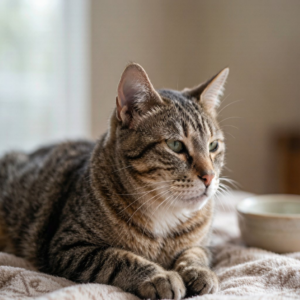
If your cat spends most of its time lying down, walks with a limp, or refuses to be touched on the hind legs, it may be suffering from arthritis—a condition that affects up to 90% of cats as they age. Arthritis is the inflammation and degeneration of joint cartilage, most often secondary (degenerative) arthritis, which worsens as cats grow older. Cats are masters at hiding pain, so signs like reluctance to jump, reduced grooming, increased sleeping, and irritability can easily go unnoticed. Causes include aging, genetics, obesity, injury, and acromegaly. Treatment combines veterinarian-supervised medication (NSAIDs such as meloxicam), weight management with omega-3 and glucosamine supplements, and environmental adjustments like steps and soft bedding. Prevention starts with a healthy diet and keeping your cat lean.