Search Results
1562 results for “cat red eye”
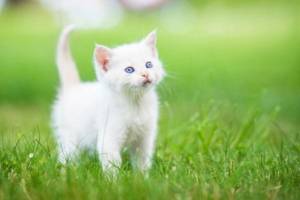
Is a Cat’s Vision Good or Bad
A cat's visual sharpness is only about one-tenth of a human's - roughly 0.1-0.2, enough to make out objects around 10 meters away and blurry at that. The trade-off comes from the tapetum lucidum, a mirror-like layer that boosts dim light about 40 percent so cats see in one-sixth the light humans need, at the cost of clarity. Cats are nearsighted and built for the hunt: their best focus is about 75 cm, and they track moving prey (around 15-60 degrees per second, like a mouse) far better than still objects. They see blue-to-green but not red, and their wider 250-degree field of view beats our 200.
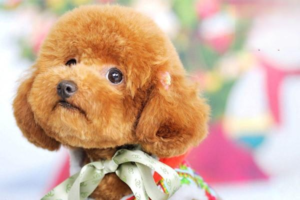
Why Dogs Get Tear Stains and Dirty Fur Around the Eyes
Dog eyes connect to the nose, so when the nasolacrimal duct is blocked or swollen by inflammation, tears cannot drain or evaporate and spill out. Tear stains form when tears and other eye discharge sit uncleaned on the fur and oxidize into dark marks - most visible on light-colored coats. Causes split into innate (flat-faced breeds like Pugs, Bulldogs, Exotic and Persian cats have tight ducts), disease (ear infection, entropion, dacryoadenitis, conjunctivitis), and habits (salty food, overlong fur poking the eye). Clean gently with a boric-acid cotton ball or cool water from the inner corner outward, then apply eye drops; genetic stains need patient, regular care.

What to Check When Buying a Purebred Poodle Puppy
Purebred and mixed poodles can look very similar as puppies, so choosing a healthy, well-bred young dog takes a careful eye. Beyond coat and conformation, the real signals of a good puppy are its skin, eyes, body, family history, and vaccination record. Here is a practical checklist before you bring one home.

Common Cat Eyelid Diseases and How They Are Treated
Cats are relatively less prone to eyelid problems than some other pets, but when an eyelid condition does appear it can affect both eye health and overall comfort. The eyelid is built from four layers (conjunctiva, tarsus, muscle, and skin) and carries the glands that keep the tear film healthy. Knowing the common disorders and how they are managed helps you spot trouble early.

What Causes Feline Rhinotracheitis (Cat Flu)?
Feline rhinotracheitis, commonly called cat flu, is one of the most frequent infectious diseases in cats. A cat can look healthy at the breeder yet sneeze, runny nose and weepy eyes days after coming home - because the culprit herpesvirus lies dormant in nerve cells and flares when environment or nutrition changes. Importantly, cat flu is not caused only by herpesvirus; calicivirus, chlamydia, mycoplasma and Bordetella are also agents. This article explains what cat flu is, its varied causes, and how to tell the agents apart by symptoms - always confirm with a vet.
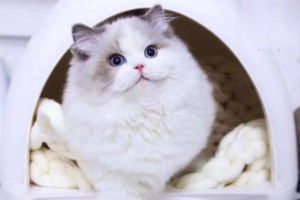
Why Do Cats Have Different Eye Colors?
Cat eyes come in an astonishing range of colors - copper, amber, green, blue, orange and brown - and certain breeds are famous for theirs: Ragdolls and Siamese for brilliant blue, while the common domestic shorthair most often shows yellow. But a kitten's eye color is not set at birth. Newborn kittens usually have blue eyes because melanin has not yet activated, and the true color only emerges as they grow. In this article we explain what determines a cat's eye color, at what age it settles, why some cats show a mesmerizing deep blue, and the fascinating genetics behind odd-eyed cats with two different colored eyes.

Why Your Cat Keeps Sneezing
An occasional sneeze is nothing, but frequent sneezing with discharge, eye issues, or coughing can hide something serious. Causes span environment, infection, and even facial structure, from dust and viruses to flat-faced-breed anatomy. This guide explains the reasons, when to see a vet, and how to care for and prevent sneezing fits.
Five Rare Cat Diseases Every Owner Should Know
Most cat illnesses are familiar, but a few rare conditions can catch owners off guard. From contagious mites and bizarre allergic behavior to the much-feared FIP, hormone-driven acromegaly, and a mysterious nervous-system disorder, these diseases are uncommon yet serious. Knowing the warning signs helps you seek the right diagnosis before a rare illness becomes untreatable.
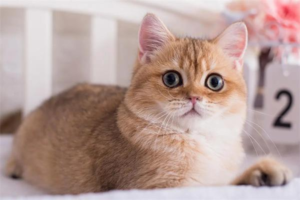
Does Heterochromia Affect a Cat’s Vision?
Heterochromia, or odd-eyed cats, does not affect vision, and these cats are usually striking. But most have a hearing defect: the ear on the blue-eyed side often has impaired hearing, a beautiful flaw. Because cats rely on hearing to move around, this can affect their actions. Owners should understand if an odd-eyed cat ignores them because it cannot hear, and should fit guards and supervise them. Their eyesight is normal; only their hearing differs, and it does not harm general health. Adopt with commitment, and never abandon them for it.
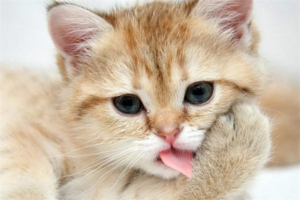
Why Does My Cat Have Uneven Eye Size?
A cat with one eye larger than the other is common and can be genetic, but if it appears later it usually points to irritation, inflammation, feline herpes, injury, or heat. The right response depends on the cause, so judge by the situation. If a foreign object is the culprit, gently clearing it often restores the eye quickly. Eyelid inversion may need surgery, so see a veterinarian. Other causes include eye disease such as conjunctivitis or keratitis, feline rhinotracheitis with discharge and sneezing, trauma, and diet-related heat that responds to lighter food and more water.