Search Results
1562 results for “cat red eye”

Causes and Treatment of Eyelid Entropion in Dogs
Eyelid entropion is a common eye problem in dogs, often caused by genetics and eye disease. The right treatment depends on how severe it is, and with proper care it can be controlled and managed. Mild cases are usually treated with medication, while severe entropion needs timely surgery. Keeping the eyes clean helps reduce the chance of entropion developing.

How to Read Your Cat’s Mood From Its Ears
A cat's ears are a precise emotional radar: 32 independent muscles let them rotate 180 degrees to pin sound, and their position shifts with mood in real time. Forward and relaxed means content and trusting; upright and swiveling means alert and defensive, so don't disturb; flat back against the head (the "airplane ears") means fear or stress and a risk of fleeing or lashing out, so move the cat to a calm space and consider a pheromone spray. A single tilted ear shows curiosity, and frequent flicking just means something tickled the ear. Reading these cues helps you interact at the right moment and avoid forcing contact when the cat is uneasy.

Can Cat Flu Leave Lasting Effects After Recovery?
Feline rhinotracheitis (cat flu), caused by feline herpesvirus FHV-1, cannot be cured—the virus hides for life in the trigeminal ganglion and can reactivate whenever the cat is stressed, the season changes, or immunity dips. Most cats recover and live normally, but some are left with mild, manageable effects: a sensitive nose that drips in cold or dusty air, heavier tear staining from narrowed tear ducts, or—in high-risk cases—repeated flare-ups that can progress to chronic bronchitis or pneumonia. Good care (warm stable surroundings, humidity control, stress avoidance, balanced nutrition with lysine and vitamins, and regular vaccines) keeps recurrence rare. This article explains the sequelae, why only some cats get them, and how to minimize repeat episodes.
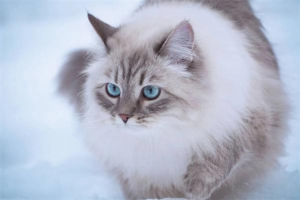
Cat Breeds with Beautiful Blue Eyes
A cat's eye color is set by its genes, and breeds carrying the dominant white gene most often have blue eyes. Several popular breeds share this striking feature, from the silky Balinese and friendly Birman to the plush Himalayan and elegant Persian. The blue-eyed Siamese and its relatives, the Ragdoll and Snowshoe, are favorites for their vivid gaze and gentle nature. If you are drawn to blue eyes, learn each breed's temperament and needs before choosing the one that fits your home.

Scottish Fold Cats: Pros and Cons to Consider
Scottish Fold cats win fans with their round eyes, plush cheeks, and famously folded ears, but like every breed they come with both strengths and weaknesses. On the plus side they are loyal, gentle, easy to get along with, quiet-voiced, and quick to learn. The trade-offs are real, though: they are costly, carry a high risk of inherited conditions such as abnormal cartilage growth and narrow airways, have naturally weaker immune systems, and are prone to delicate digestion. Before bringing one home, take an honest look at whether you can meet the extra time, expense, and lifelong commitment their care demands.

What Are the Symptoms of Dry Eye in Dogs?
Dry eye, or keratoconjunctivitis sicca, happens when a dog's tear film produces too few tears or they evaporate too quickly, leaving the eye surface dry, scratched, and vulnerable. It can stem from genetics, hormone imbalance, infection, drug side effects, or injury. Telltale signs include dry, itchy eyes, redness and swelling, frequent blinking or pawing at the face, increased discharge, dulled vision, and even lost appetite from discomfort. Left untreated, it can lead to infection or blindness. A vet confirms it with a tear test (STT) after ruling out conditions like conjunctivitis or corneal ulcers. Treatment ranges from artificial tears, tear-stimulating drops, and antibiotics to physical care such as warm compresses, and in severe or unresponsive cases, surgery like parotid duct transposition. Catching it early protects both comfort and sight.
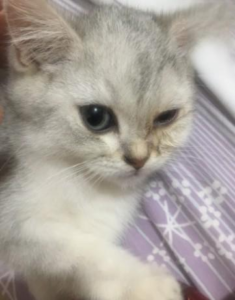
Cat Eye Swelling and Tearing: A Recovery Case
A cat with one swollen, tearing, discharging eye—but no sneezing or runny nose—most likely has a bacterial conjunctivitis rather than a viral one. Ingrown eyelashes or a foreign body can be the trigger. Oral amoxicillin plus antibiotic eye drops, an E-collar, and a dim, clean environment brought clear improvement in a few days. An ingrown lash, though, needs a vet to remove.

What to Do About White Discharge in Your Cat’s Eye
White discharge usually signals an eye infection such as conjunctivitis, keratitis, or blepharitis, so identify the cause early. Discharge at the corner often means conjunctivitis—check for sneezing, runny nose, or fever, which point to a viral infection needing a vet; a white film over the eye needs prompt clinic care. At home, clean gently with saline, apply pet-specific antibacterial drops (neomycin sulfate, chloramphenicol, levofloxacin), boost vitamins A and C, and keep the environment clean. If no improvement in a few days, see a vet.

What Causes Cat Dacryocystitis (and How It’s Treated)
Cat dacryocystitis (inflammation of the tear ducts/sac) can stem from genetics, facial structure, environment, or eye disease. Flat-faced breeds like Persians and Exotic Shorthairs are prone to blocked ducts. Keep the eyes clean and the environment dust-free to prevent it. Treatment targets the cause: gentle cleaning and vet-guided drops (antibiotics, anti-inflammatories, lubricants), surgery for severe cases to clear the sac, and a clean, humidified home to ease symptoms.

Can a Dog’s Protruding Eye Be Saved?
A dog's eye bulging from its socket needs urgent veterinary care. Causes range from the fatty pad behind the eye being pushed forward—common in short-nosed breeds like Pugs and Boston Terriers—to tumors, thyroid issues, infection, or trauma. Treatment is either replacing the eye or, in severe cases, removal. Gently clean around the eye before the visit, and keep up regular eye and health checkups to catch problems early.