Search Results
1562 results for “cat red eye”

Feline Calicivirus Infection: Symptoms and Treatment
Feline calicivirus is a common viral cause of upper-respiratory and oral disease in cats, marked by fever, mouth ulcers, and runny nose. It spreads easily and causes high illness rates, but deaths are uncommon except in very young kittens.

Feline Infectious Rhinotracheitis (Feline Herpesvirus-1): Symptoms and Treatment
Feline infectious rhinotracheitis, or cat flu caused by feline herpesvirus-1, is a highly contagious upper-respiratory disease. It produces sneezing, eye and nose discharge, conjunctivitis, and fever, and can cause serious eye ulcers and abortion in pregnant cats.

Feline Panleukopenia (Feline Distemper): Symptoms and Treatment
Feline panleukopenia, also called feline distemper or infectious enteritis, is a highly contagious and often fatal viral disease of cats. It causes high fever, vomiting, diarrhea, dehydration, and a dangerous drop in white blood cells, and is especially deadly to kittens.

Canine Viral Papillomas (Warts): Symptoms and Treatment
Canine viral papillomatosis is a contagious wart-like growth caused by the canine oral papillomavirus, appearing in the mouth or on the skin. Most cases resolve on their own within weeks to months, but large oral tumors can interfere with eating and may need surgical removal.
What can I do about very severe tear stains on my Bichon?
Heavy Bichon tear stains come from tears that do not drain normally and oxidize into dark marks. Clean the eyes promptly with a pet eye wash, keep the diet light, and trim the hair around the eyes. For severe cases, surgery to remove or reposition the tear gland is an option.
My Bichon Frise has very severe tear stains — what should I do?
Heavy tear staining in Bichons is usually poor tear drainage — tears pool and oxidize into dark stains. Clean the eyes daily with a pet eye wash, keep the diet light, and trim the fur around the eyes; severe cases may need surgery to remove or reposition the tear gland.
What should I do about severe tear stains on my Bichon Frise?
Severe tear stains in Bichon Frises usually result from tear fluid that can't drain properly and oxidizes into dark stains. Clean the eyes regularly with a dedicated eye wash, keep the diet light, and trim the fur around the eyes. In severe cases, surgery to remove or reposition the tear glands may be considered.
What medicine helps dog tear stains heal faster?
Dog tear stains can stem from a blocked nasolacrimal duct, conjunctivitis or keratitis, and the right treatment depends on the underlying cause. Massaging the tear ducts and using pet eye-care gel help; for inflammation, vet-approved antibiotic eye drops or ointment are used.
How can I eliminate my puppy’s tear stains?
Puppy tear stains can be cleared by improving diet, cleaning and trimming fur, and medication or surgery. First find the cause — blocked tear ducts need opening and regular eye-fur cleaning; too much oil and salt worsens stains, so keep the diet light and encourage water.
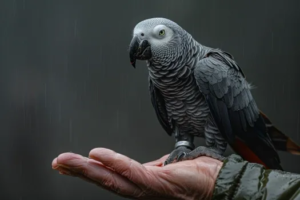
What to Do When Your Budgerigar Has Scaly-Face Mites
Scaly-face mite infestation in budgerigars starts as grayish, flaky bumps around the beak and feet and can spread to cause feather loss and beak deformity. Treat it by isolating the bird, applying petroleum jelly to suffocate the mites, and keeping the cage clean.