Search Results
959 results for “cat recovery”

How to Treat Skin Disease in a Poodle (Teddy)
Poodles have dense, curly coats that trap moisture and parasites, making them especially prone to mite-driven skin disease in hot weather. Red, itchy bumps, hair loss, and constant rubbing against furniture signal infection. Treatment pairs a topical parasiticide with an oral dewormer, plus a medicated ointment for severe cases, and omega fish oil to aid coat recovery.

How Long Does Ringworm Take to Heal After Treatment?
Ringworm is a fungal skin infection that usually clears with proper treatment in about a month, though full hair regrowth can take a few months. Recovery time depends on how far it spread, the cat's immunity, the medication used, and whether an Elizabethan collar is worn consistently. Prevention through good nutrition, vitamin B, and a dry, clean environment matters more than treatment.

What to Do When Your Dog’s Skin Is Ulcerating and Oozing
Skin disease can progress to ulceration and oozing—often pyoderma—if left untreated, leaving a dog miserable and off its food. Clip and disinfect the spot, apply vet-prescribed medication, and prevent recurrence through parasite control, dryness, and a clean environment. Prevention beats cure.
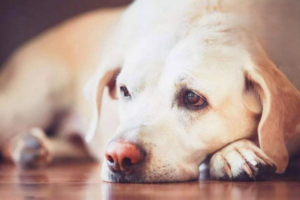
How to Treat Mite Skin Disease in Dogs
Mite skin disease keeps coming back because the mites live in the environment as much as on the dog. Treatment means medicating the affected spots, deep-cleaning the home, and boosting the dog's immunity—prevention through diet, parasite control, and limited contact with strays is what stops recurrence.

Why Your Dog Is Sneezing and Blowing Blood from the Nose
Blood from a dog's nose is not the same as a human nosebleed from heat—it can signal trauma, a clotting problem, nasal mites, or a lodged object. Because severe bleeding can turn critical fast, any nosebleed with sneezing deserves a prompt veterinary exam.

Why Your Kitten Is Sneezing with Eye Discharge
Sneezing with watery, crusty eyes in a kitten can be a plain cold or the more serious feline herpesvirus (cat flu). The distinguishing sign is fever and heavy eye discharge—if those appear, a vet visit is needed. Supportive care at home centers on warmth, immune support, and keeping the eyes clean.

What to Give a Dog That Throws Up Yellow Foamy Fluid
Yellow, foamy vomit usually means an empty, irritated stomach — often a chill or gastroenteritis — and uncontrolled vomiting risks dehydration. Small sips of water, a short fast, and a vet's anti-nausea plan are the safe path; a cold needs warmth, gut inflammation needs a clinic.

How Long Does a Dog’s Cold Take to Heal?
A dog cold usually clears in one to two weeks with warmth, good nutrition, and the right medication — faster with clinic injections. The recovery clock depends on the dog's own immunity, and a cold must not be mistaken for distemper.

Why Is My Dog Sneezing and Has Yellow Nasal Discharge?
A dog that sneezes with thick yellow discharge has a worsening cold, not a minor sniffle, and the case should not be left to drag on. Warm the dog, use only pet-formulated medicine dosed by weight, and head to a vet if a fever appears.

What to Do About Thick Yellow Nasal Discharge in Dogs
Seasonal sniffles are common in dogs, but thick yellow discharge is a warning sign of inflammation rather than a simple cold. It can mean a serious cold, a respiratory infection, or a viral disease — and the right step depends on which one it is.