Search Results
959 results for “cat recovery”

What Are the Early Symptoms of Canine Distemper?
Early distemper mimics a cold — watery nose, fever spikes, red tearing eyes, and growing lethargy with appetite loss. It's highly fatal without prompt care. Vaccination and isolation are the real defenses; see a vet at the first signs.

How Long Does a Rabid Dog Survive?
A dog is not born with rabies; it catches the virus from a rabid animal's saliva through a bite wound. After signs appear, a dog usually dies within about 10 days, so prevention through vaccination is everything.

Puppy Tracheitis and Bronchitis: Symptoms and Treatment
Dog tracheitis and bronchitis come from repeated viral or bacterial infection plus cold, smoke, and dust irritation, but with good home care and the right medication the recovery rate tops 95%. Watch for cough, fever, and breathing trouble.

Canine Parvovirus Disease
Canine parvovirus is a highly contagious disease that hits weaned-to-90-day puppies hardest and can be fatal; it appears as either an enteritis or a heart-muscle form. Fast vet care, rehydration, and immune support give the best odds.

What Causes Parvovirus in Dogs
Parvovirus is a severe, highly contagious gut disease in dogs that spreads by contact with infected feces, blood, food, or air, especially in parks and kennels. Puppies show vomiting and diarrhea that can turn bloody, so fast vet care and rehydration are key.

Can Canine Distemper Be Cured?
Canine distemper is a highly contagious viral disease with over 50% mortality, but caught early it is often treatable. Symptoms move from mild fever and diarrhea to severe eye and nerve damage, so any suspected case needs immediate veterinary care.

How Long Does Ringworm Take to Heal in a Kitten
Ringworm is a fungal, contagious skin infection that shows up most often in underweight or weak kittens. With isolation, medicated care, and good nutrition, mild cases typically clear in a few weeks, but treatment must continue until the infection is fully gone.

How to Treat a Kitten That Gasps Like It’s Having an Asthma Attack
A kitten that gasps like it's wheezing usually has feline asthma — chronic bronchitis or bronchial asthma, mostly allergic. Triggers include dust, pollen, and irritating food or gut blockage. Mild cases need calm, slow water, and probiotics; allergic attacks need vet-prescribed cough and phlegm relief, plus reduced dust and a healthy weight.
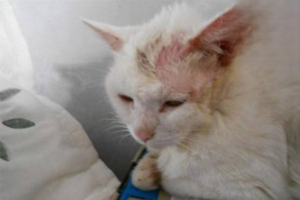
What to Do When a Kitten Has Ringworm
Ringworm is a fungal, contagious skin disease that can pass between cats and people, so isolate and disinfect at once. It shows as circular scaly patches and hair loss on the body, head, legs, and tail, with relentless itching. Treatment is shaving, topical medication, an Elizabethan collar, and a clean, well-ventilated environment plus good nutrition.

How to Treat Fungal Skin Infection in a Puppy
Fungal skin infection in puppies is common, slow to clear, and easy to confuse with other conditions — poor nutrition, a dirty environment, or careless grooming all raise the risk. Signs include circular hair loss, scaly patches, pimples, and relentless scratching. Treat with medicated baths, an antifungal spray, and a repair ointment, while boosting nutrition and keeping the environment clean.