Search Results
959 results for “cat recovery”

Can a Dog’s Chill-Induced Vomiting Heal on Its Own?
When temperatures drop, some dogs still nap on cold floors or drink icy water, irritating their stomachs and triggering vomiting. Whether this resolves on its own depends on the cause. Mild vomiting from a chill often settles within a short time, but persistent or worsening signs—diarrhea, fever, appetite loss—point to conditions like gastritis, infection, parasites, or pancreatitis that need a vet. This guide explains when to wait and how to care for your dog at home, including warmth, a bland diet, probiotics, and close monitoring—while stressing that human medication should never be given to dogs.

How to Treat Hair Loss Behind a Hamster’s Ears
Hair loss behind a hamster's ears can come from allergies, bacterial infection, or parasites. Trim the fur around the spot, rinse it with saline, pat dry, and apply a small-pet skin cream or antibiotic ointment, watching for 3 to 5 days. If it does not improve, see a vet. Keep the cage clean and disinfect it often, and add vitamins and protein to aid recovery.

What to Do If Your Hamster Has a Fracture
If a hamster breaks a bone, place it in a quiet, warm, comfortable space to ease pain, and apply a wrapped ice pack to the injury for 15 to 20 minutes to reduce swelling. Because hamster bones are delicate, handling them at home can cause more damage, so see a veterinarian promptly. The vet will examine and X-ray the fracture, then use external fixation like a splint or internal fixation with plates or pins depending on severity.

Can Canine Parvovirus Spread to Humans?
Canine parvovirus is a common, highly contagious dog disease that affects canids such as dogs, foxes, and wolves, but it does not infect people directly. Humans can still carry the virus on hands and clothing after touching an infected dog or its waste, spreading it to other dogs, so thorough disinfection matters. Parvo mainly attacks the gut and immune system, causing vomiting, bloody diarrhea, dehydration, fever, and weight loss, and is especially dangerous to puppies. Prevention through vaccination, isolation of sick dogs, prompt veterinary care, and thorough environmental cleaning is the best defense.
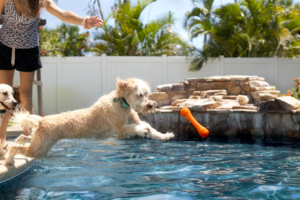
Can Swimming Help a Dog with a Luxating Patella?
A luxating patella—the kneecap slipping out of its groove—is common in small and toy breeds and can cause pain and limping. Swimming is often recommended by veterinarians as part of conservative care because water’s buoyancy supports the body and builds hind-leg muscle without loading the joint. However, swimming is therapy, not a cure: the condition is structural (loose ligaments, a shallow groove, or poor alignment) and cannot be reversed by exercise, medication, or massage. Whether swimming helps depends on the grade—mild cases benefit, while severe grades can be made worse. This article explains the condition, how water therapy fits in, which grades should swim and how, and the daily supports (fish oil, chondroitin, avoiding jumps) that protect the joint.

Can a Paralyzed Dog Walk Again?
Paralysis in dogs has many causes, but in some cases a dog can regain the ability to stand with proper care. Follow your veterinarian's advice and give your dog patient, consistent nursing. Treatment and recovery time vary with the cause and severity, so persistence matters and giving up should not be an option. Support rehabilitation through gentle walks, limb massage, and other exercises your vet recommends to help your dog recover as fully as possible.

What to Feed a Rabbit With Low Blood Sugar
When a rabbit has low blood sugar, offer foods containing glucose or a nutritional solution; if none is at hand, brown-sugar or white-sugar water works as a substitute. Because a weak rabbit may not eat on its own, the owner must feed it. Keep it warm and gently massage its limbs. Once it recovers, provide pellets and hay to rebuild strength. If symptoms do not improve, take the rabbit to a veterinary clinic where glucose can be injected to raise blood sugar. Regular monitoring and diet adjustment help prevent recurrence.

How to Treat a Neck Sprain in Dogs
If your dog unfortunately suffers a neck sprain, get it to a veterinarian or emergency pet clinic right away. The vet will choose a treatment based on how severe the injury is, commonly using medication, physical therapy, or surgery. After treatment, the dog usually needs a rest period at home to recover fully, and you should follow the vet's advice for care. Neck sprains can happen from jumps, falls, sudden turns, or pulling too hard on a leash and tight collar. This article explains why sprains occur, the immediate steps to take, and the daily habits that help prevent them.

Symptoms and Treatment of Intussusception in Dogs
Intussusception in dogs shows up in many ways, including loss of appetite, vomiting, abdominal pain, and diarrhea. Without timely treatment, the symptoms worsen as the condition progresses. Severe cases may bring intense abdominal pain, frequent vomiting, a swollen belly, abnormal posture, and intra-abdominal bacterial infection. Mild intussusception can often be corrected with air-enema reduction, while serious cases require surgery. This article details how to recognize the signs, the treatment options available, and the preventive steps that lower the risk of this serious digestive emergency.

What to Do When Your Dog Has Intestinal Scratches
Intestinal scratches in dogs are most often caused by swallowing sharp foreign objects such as glass shards, fish bones, or bone fragments. These items can lacerate the intestinal wall and lead to bleeding and infection. If you suspect your dog has an injured intestine, stay calm and take it to a veterinary clinic for examination and treatment as soon as possible. Mild scratches without a retained object may only require anti-inflammatory medication to prevent infection, while cases involving a foreign body need the object removed before further treatment. This article explains the common causes, warning signs, treatment options, and everyday prevention measures so you can act quickly and protect your dog's digestive health.