Search Results
959 results for “cat recovery”
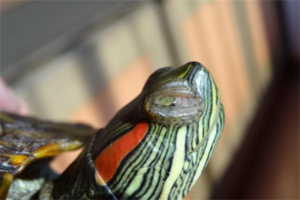
What Are the Symptoms of Turtle White-Eye Disease?
Turtle white-eye disease is a bacterial infection: early signs are a red, whitening nictitating membrane with discharge, worsening to swollen, stuck-shut eyelids and a cloudy cornea, often with lost appetite. Treat with gentle cleaning plus antibiotic eye drops and ointment (and oral antibiotics for severe cases), warm the habitat, and keep water clean to prevent it.
How to Tell If a Dog’s Cough Is Kennel Cough
Kennel cough is a contagious respiratory disease; suspect it with a harsh 'honking' cough that looks like retching, a pained look, and white foamy mucus, while energy and appetite stay normal. It lingers 1–3 weeks (unlike a 1–3 day plain cough) and follows contact with other dogs or busy pet places — unvaccinated puppies under 6 months are most at risk. Isolate, ease the neck (use a harness), and see a vet; never give human cold medicine.
How to Handle a Dog with Engorged Milk (Mammary Congestion)
Mild engorgement eases if the puppies nurse often to keep milk flowing; if there are too few or they can't suck well, hand-express or use a pump gently. For hard lumps, massage the gland and apply a warm towel for 10-15 minutes daily. If redness, heat, pain, or discharge appear (mastitis), see a vet promptly for antibiotics or drainage.
Why Dogs with Pancreatitis Need Prescription Diet Food
Pancreatitis makes the pancreas digest itself when digestive enzymes activate too early, causing severe pain and inflammation. Treatment pairs medication with a low-fat prescription diet that eases the pancreatic workload — fat is held under 10%, uses easy-to-absorb medium-chain fatty acids, and adds antioxidants and omega-3s to aid healing. Always follow your vet's choice, since formulas vary with complications like diabetes or kidney disease.

How to Treat Dog Folliculitis
Dog folliculitis starts with clogged follicles and secondary bacterial infection; treatment aims to kill bacteria, soothe inflammation, and keep the area clean and dry. Disinfect the spot and apply an antibiotic ointment (e.g., erythromycin), or use oral/injected antibiotics for severe cases, plus a medicated bath and an Elizabethan collar. See a vet if it doesn't improve.

What to Do When Chinchillas Fight
Chinchillas often fight over food or territory, especially when caged together; the safest fix is separate housing. When a fight breaks out, split them carefully without getting bitten, then check for injuries and treat wounds promptly.

How Long Can a Dog with Neuritis Survive?
A dog's survival time with neuritis depends on severity, how quickly treatment begins, and the quality of at-home care — there is no fixed number. Mild cases can recover in 1–2 weeks with prompt treatment, while severe cases affecting the brain stem can be fatal within about a week.

Things to Consider When Taking Your Dog Home for the Spring Festival
Traveling home with your dog for the holidays takes planning: confirm your dog is healthy, pack its essentials, and get it used to the car (or sort out pet shipping papers 1–2 weeks ahead for train or air travel). Once at a new environment, ease its anxiety with a quiet space and familiar routine, and during the festival guard against fireworks stress, escape risks from frequent visitors, and toxic human foods such as chocolate, grapes, and onions.

Do Budgerigars Tolerate Cold Weather
Budgerigars are sensitive to cold and cannot survive below 5 C, so keep the room above that in winter. Move the cage indoors and, if needed, use an incandescent lamp or heater. Feeding more oil-rich seeds like peanuts and sunflower helps them build fat reserves. Lower the bath frequency in cold weather, bathe only in warm water, and if a bird catches a chill, keep it warm and use an antibiotic as directed. Good hygiene supports recovery.

Why Is Your Dog Coughing Without Producing Phlegm
A dry, hacking cough in dogs can stem from many sources, some harmless and some serious. Common causes include respiratory infections, bronchitis, tracheal collapse, kennel cough, parasite infection, and allergies. Some cases ease on their own, but a cough driven by illness needs prompt treatment to avoid worsening. Because the exact cause depends on the individual dog, observe the full picture and consult a veterinarian if you are unsure. Meanwhile, keep the living space clean and limit contact with other dogs to reduce spread and irritation.