Search Results
959 results for “cat recovery”

Can Sunken Arowana Eyes Be Saved?
Sunken arowana eyes can be saved. Raise the temperature to 30-32 C, change water often, and add oxygen; use oxytetracycline only if it doesn't improve.

Prevention and Treatment of Colds in Turtles
A turtle cold can progress to pneumonia, which is far more dangerous, so treat it promptly and watch for pneumonia signs. Isolate the sick turtle, keep the enclosure at about 30°C, and use antibiotic baths (e.g., cephalexin) or amoxicillin by weight; prevention focuses on good water quality and strong immunity.
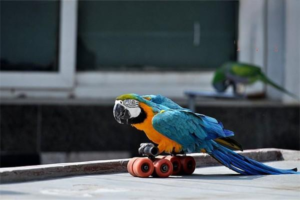
Why Does a Parrot Get Scabs on Its Face and What to Do
Scabby patches on a parrot's face usually mean a scaly-mite (Knemidokoptes) infection, which can be life-threatening if severe. Treat by applying white petroleum jelly to suffocate the mites, soften thick crusts first, and support recovery with vitamins and a clean, dry environment.

Causes and Pathological Analysis of Turtle Enteritis
Turtle enteritis is usually triggered by a sharp drop in enclosure temperature or spoiled food, and good husbandry and careful feeding prevent most cases. This article covers the causes, the staged symptoms (from mild loose stools to severe floating, refusal to eat, and limb weakness), and the pathology—where lost electrolytes weaken the gut's absorption and must be replenished—plus treatment centered on anti-inflammatory, anti-diarrheal, and mucosal care.

Common Parrot Eye Diseases and Their Treatments
Parrots commonly develop keratitis, conjunctivitis, and cataracts, usually from cage scratches, injury, infection, or nutrition gaps. Most are manageable with prompt cleaning, antibiotic drops, or surgery for cataracts, but prevention through a clean environment is best.

Can a Puppy With a Runny Nose Get Vaccinated?
Dogs showing any sign of illness—such as a runny nose, sneezing, vomiting, or diarrhea—should not be vaccinated, because live-attenuated vaccines can worsen an existing condition. Puppies need to be at least 45 days old for their first shot and about 3 months old for the rabies vaccine, with deworming spaced roughly a week apart. After vaccination, observe the dog for 30 minutes, avoid baths for 7 days, and confirm immunity with an antibody test around 15 days later.

Nebelung
The Nebelung is essentially a long-haired Russian Blue, a rare variant recognized by TICA in 1987 and hailed as the 'nobility of long-haired breeds.' Apart from its coat, it is identical to the Russian Blue. Quiet, shy, and gentle, yet intelligent and adaptable, it is well suited to calm households.

Types and Treatment of Chinchilla Enteritis
Chinchilla enteritis is split into acute and chronic forms, with acute being more severe. Learn the symptoms of each type and how to treat the underlying cause.
What medicine works best for a dog’s fungal skin infection?
Dog fungal skin infections are mainly treated with antifungals such as ketoconazole, itraconazole, or griseofulvin. For large or severe infection, use whole-body treatment. Sunlight and extra nutrition raise skin resistance and speed recovery. The treatment cycle is long, so keep medicating until fully healed.
My four-month-old dog keeps nodding its head, worsening but otherwise fine—what could it be?
Frequent nodding with good spirits may be normal (hiccups or excitement) or a neurological issue such as seizures or distemper aftermath. A vet can prescribe anticonvulsants or nerve-support medication.