Search Results
338 results for “cat parasite control”
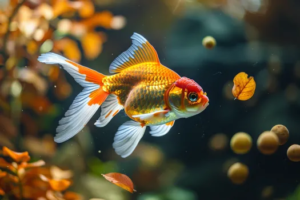
4 Common Goldfish Diseases and How to Treat Them
Goldfish commonly face white spot disease, pinecone (dropsy) disease, print disease, and hemorrhagic disease. Lower the risk with good, stable water quality, steady temperature, and avoiding stress and physical injury. Keep water clean with regular changes and enough oxygen, and adjust temperature with the weather. Healthy water is the foundation of goldfish health.

Guppy
The guppy (Poecilia reticulata) is a peacock-tailed livebearer from South American river basins—easy to keep, with hundreds of strains. Keep at 22–26 °C, pH 7.0–8.5, and feed a varied diet of flakes, brine shrimp and daphnia.
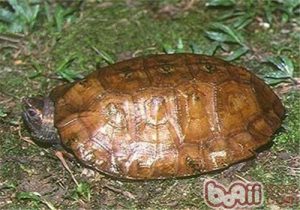
Malayan Flat-shelled Turtle
The Malayan Flat-shelled Turtle (Notochely platynota) is a secretive, chiefly herbivorous freshwater turtle from Southeast Asia that prefers shallow, plant-rich waters. Wild-caught individuals are notoriously fragile, making it one of the most difficult turtles to keep successfully in captivity.

Geometric tortoise
The Geometric Tortoise (Psammobates geometricus) is a rare, strikingly patterned South African tortoise protected as endangered. Extremely sensitive to humidity and a challenge to keep alive in captivity, it is best appreciated in the wild or by experts.

FlemishGiant
The Flemish Giant is the largest domesticated rabbit breed in the world, originally from Belgium and recognized by the American Rabbit Breeders Association in seven coat colors. A gentle, docile, and hearty-eater companion that needs generous space and meticulous hygiene, it weighs 6–13 kg and lives around 5–8 years.

Canine and Feline Aural Hematoma
An aural hematoma is a pocket of blood that forms between the skin and cartilage of the ear flap, usually triggered by vigorous head shaking or scratching. Small collections may be drained, but most require surgery to prevent a permanently scarred, thickened ear.

Canine and Feline Dermatitis: Symptoms, Treatment, and Prevention
Dermatitis is inflammation of the skin in dogs and cats from parasites, allergy, infection, or trauma, causing itch, swelling, and crusting. Treatment removes the cause and controls inflammation locally and systemically.

Canine and Feline Eczema (Moist Dermatitis): Symptoms, Treatment, and Prevention
Eczema is a superficial skin inflammation in dogs and cats driven by allergy and weak skin defense, producing redness, vesicles, hair loss, and crusting. It is managed by relieving itch, calming inflammation, and keeping the environment clean.

Canine Pyoderma: Symptoms, Treatment, and Prevention
Pyoderma is a bacterial skin infection in dogs, usually from Staphylococcus or Streptococcus, most often secondary to another skin problem. It causes pustules, crusting, and hair loss, and is treated with culture-guided antibiotics plus skin care.

Canine and Feline Interdigital Pyoderma: Symptoms, Treatment, and Prevention
Interdigital pyoderma is a painful bacterial infection between the toes of dogs and cats, causing swelling, redness, moisture, and foul odor, sometimes with draining tracts. It often follows a moist environment, mites, or blocked follicles, and needs thorough cleaning plus veterinary-directed antibiotics.