Search Results
338 results for “cat parasite control”

Symptoms and Treatment of Arowana Pinecone Disease
Arowana pinecone disease (raised scales), also called 'arowana cold,' is often triggered by large temperature swings during seasonal changes. Early signs are darkening, rough skin, and scales protruding outward; severe cases show swollen scale sacs with bloody fluid and ascites. Treatment starts with raising the temperature 1–2°C, adding salt (0.6–1%), and partial water changes; medication is added if no improvement.
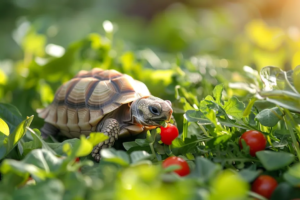
Feeding Precautions to Prevent Enteritis in Turtles
Turtle enteritis has primary causes (poor husbandry) and secondary causes (parasites, liver disease, systemic infection); the primary causes are the easiest to control. The key feeding measures are: avoid hard-to-digest or spoiled food, stop feeding in low or sharply fluctuating temperatures, wait before feeding a newly arrived turtle, and pause feeding during illness—plus feed on a fixed schedule and in measured amounts.

Common Guinea Pig Diseases and How to Prevent and Treat Them
Coccidiosis, colds, and diarrhea are among the most common health problems in guinea pigs, and owners should focus on preventing them. This guide outlines practical prevention and treatment measures for these frequent guinea pig illnesses, from medication and wound care to daily hygiene checks.

Devon Rex
Devon Rex (details)

Siamese
The Siamese cat, also called the Thai cat, with English name Siamese, traces its origins to Thailand in the 14th century from non-purebred Asian cats. Once living in royal palaces and temples, it was later given as a diplomatic gift to other countries. Famous for its striking color points, blue almond eyes, and vocal, affectionate personality, the Siamese is a beloved and distinctive breed.

Singapura、Kucinta
The Singapura originates from Singapore and is also known as the Lion City Cat. With the English names Singapura and Kucinta, it is the smallest cat breed in the world, attracting much attention from cat lovers. Its less pleasant nicknames, drain cat and sewer cat, come from its living environment: early on, the Singapura was unwelcome among locals and forced to live in drains or sewers, hence the names.

Ragdoll
Ragdoll (details)
How long until a Teddy with acute encephalitis dies?
Untreated acute encephalitis in a Teddy can kill within an hour. Caused by bacteria, virus, or parasites, it shows varied signs by location; severe cases bring paralysis and convulsions. It is an emergency with low cure rate even when treated.

New Zealand Rabbit
The New Zealand Rabbit is a meat rabbit breed originally from the United States, now promoted worldwide. It is numerous, economically profitable, and highly adaptable to the environment. It is kept in large numbers in China's rural areas, with high meat yield and a large body.
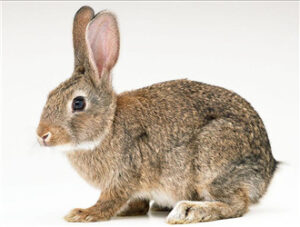
Belgian Rabbit
The Belgian Rabbit, also known as the Giant Gray Rabbit or Flemish Giant, is a famous meat rabbit breed originally from Belgium. With its large build, yellowish-brown coat, and high meat yield, it is mostly raised on farms in rural areas rather than kept as a pet.