Search Results
154 results for “cat panting”

The Benefits and Risks of Feeding Cats Liver
In moderation, liver supplies vitamin A, B vitamins, iron, protein, and taurine, boosts appetite and immunity, and helps prevent anemia — but too much causes vitamin A toxicity, calcium loss, obesity, and bleeding problems. Feed it cooked, at most once a week, and follow your vet's advice for sick cats.
What are a cat’s stress reactions?
Cat stress shows as trembling, appetite loss, and digestive upset, and in severe cases vomiting or breathing difficulty. Reducing environmental change helps prevent serious health effects.

CoQ10 for Dogs and Cats: A Heart-Health Supplement Guide
CoQ10 is a key nutrient for heart-muscle cells and a staple for senior pets and breeds at risk of heart disease. Yet the market is messy—under-dosed, over-claimed products are common. This guide covers who benefits from CoQ10, what to look for on the label, why yeast-fermented source and combined antioxidants (including taurine for cats) matter, and the feeding rules and cautions every owner should know. CoQ10 supports care but never replaces prescribed heart medication.

Why Does Your Cat Stick Out Its Tongue?
Cats stick out their tongues for many reasons, including cooling down, cleaning the mouth, relaxation, and illness, or simply as a normal habit. They pant lightly to release heat through tongue vessels, and their barbed tongues groom the body and clear food and bacteria from the mouth. Frequent or long-lasting tongue-out behavior, though, can signal a health problem worth checking.

Why Does My Cat Keep Sticking Out Its Tongue?
A cat that keeps its tongue out is not always being cute, it can signal an underlying issue. Mild tongue protrusion is normal when a cat pants to cool down in heat, but it may also point to respiratory problems such as infection, asthma, allergies, or a foreign object in the airway, often with coughing or labored breathing. Oral pain, stress and fear, and certain heart conditions can also cause it. Provide a cool, calm environment and comfort a stressed cat, but if the behavior persists or comes with other symptoms, have a veterinarian check for respiratory, oral, or cardiac causes.

Dog Panting After a Short Walk? Watch for Heart Trouble
Panting after a brief walk is not always harmless—it can be a dog's heart crying for help. Heat, obesity, and flat-faced breeds pant normally and recover within minutes, but sudden breathlessness at rest, coughing at night, bluish gums, or constant fatigue warrant prompt cardiac screening. Early diagnosis and steady daily care can dramatically slow heart disease.
Summer Hazards for Cats
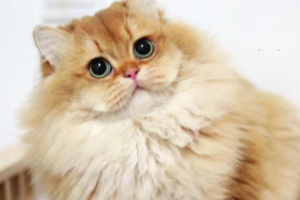
Summer is a rough season for cats. With poor sweating, they overheat fast - five minutes on hot asphalt, in a sealed space or on a sunny balcony can cause heatstroke: high temperature, fast pulse, panting, then dizziness, vomiting and coma. Move them to shade and cool with water or a fan, and rush to the vet if it does not ease. Warm weather also brings acute gastritis from spoiled food (limit water and feed easily digested fluids) and skin disease from fleas, mites and fungi - treat the cause and keep up prevention with cleaning and deworming.

Can Cats Get Heatstroke?
Like people, cats can suffer heatstroke if they can't cool down in hot weather—flat-faced breeds (Exotic, Persian), older cats, and overweight cats are at higher risk. Above 32°C is very hot for a cat; above 40°C is dangerous. Cats cool mainly through paw-pad sweat, panting, and saliva evaporation, so help them with plenty of water, cool tiles, shade, air conditioning (a fan alone does little), and trimmed paw fur. Watch for prolonged panting with bright-red gums, drooling, vomiting, and weakness—and get to a vet fast.
What to Feed Your Cat for a Healthy Heart
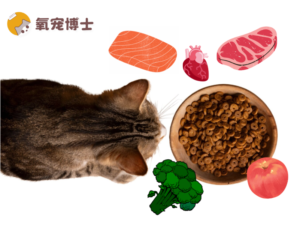
A cat's heart health rests heavily on diet. Taurine, omega-3s, L-carnitine, and vitamins E and C are the nutrients that protect the myocardium and slow decline—found in organ meat, lean poultry, salmon, and vegetables like broccoli and spinach. Just as important is what to avoid: salty, fatty, and high-cholesterol foods that strain the heart. Senior and high-risk purebred cats need regular checkups at the first sign of breathlessness.

Dog Panting After a Few Steps? Don’t Ignore Heart Trouble
A dog that pants heavily or struggles to breathe after only a short walk may be signaling heart disease rather than mere old age or extra weight. Key warning signs include a sudden drop in stamina, labored breathing at rest, blue-tinged gums, nighttime coughing, and lethargy. Early veterinary diagnosis and daily heart-care management can dramatically slow progression and extend your dog's life.