Search Results
154 results for “cat panting”
What happens before a cat gives birth?
Before birth a cat shows odd behavior: heavy panting, restlessness, low appetite, nest-digging, pacing, and moaning. The body changes too: temperature drops about 1 degree a day before, sticky discharge at the vulva, swollen nipples with milk when squeezed. Move it to a suitable place; if long straining with no kitten, see a vet.
What are the signs of a cat with a weak heart?
A cat with heart problems often shows irregular heartbeat, rapid breathing, sleepiness, weight loss and poor exercise tolerance. Severe heart failure can cause oxygen deprivation and frequent panting.
Why is my dog panting heavily?
Heavy panting can simply be your dog cooling off on a hot day by evaporating saliva with its tongue out, or catching its breath after exercise. It usually returns to normal after 5-10 minutes of rest. However, panting can also signal respiratory disease, heart problems, or fluid buildup in the abdomen.
What foods are absolutely forbidden for cats?
Cats must never eat foods with theobromine, caffeine or theophylline, alcohol, or high-sugar and high-fat items like milk, coffee, tea, alcohol and cream. Some seafood such as squid and shrimp is also unsafe.
What Should I Do If My Dog Is Panting Like It Has Asthma?
Panting like asthma may just follow intense exercise and settles in a few minutes of rest. But nasal discharge and lost appetite suggest a cold-related stuffy nose; fever (over 39.5°C) means cool it and see a vet. Lower-airway disease (pneumonia, bronchitis) also causes asthma-like panting—treat with anti-inflammatories and theophylline.

Is Your Cat More Sensitive to Cold or Heat? What Every Owner Should Know
A cat's normal body temperature is 37.5–39.2°C, and its limited sweat glands make it far better at handling cold than heat. Heat stress can set in above 38°C (panting, lethargy, drooling, even collapse), while most cats feel cold below 10°C — kittens, seniors, and short-haired breeds need extra warmth. Keep the home between 16–21°C and warm the bed in winter.

What to Know Before Keeping a Ragdoll Cat
Ragdolls are famous 'glass-stomach' cats that need careful diet and regular brushing, plus watch for inherited heart and kidney disease. Pick a high-protein, low-allergen food, brush three to five times a week, and keep up with vet checks to catch problems early.

Can Cats Get Post-Traumatic Stress Disorder (PTSD)?
Cats can develop PTSD after trauma such as abuse, abandonment, accidents, or attacks, showing as fear, aggression, trembling, hiding, inappropriate elimination, and jumpiness that can surface months later. Recovery is usually possible with a calm safe space, desensitization training, and sometimes medication and supplements — patience is key.

Why Does My Cat Keep Trying to Escape Outside?
A cat bent on the door is usually driven by curiosity and territory, heat (intact cats seeking to mate, with yowling, spraying, low appetite), boredom in a dull home, or stress from new pets, noise, or change. Enrich the space with a window perch and rotating toys, play it tired daily, spay/neuter around 6 months, keep it calm, secure the windows, and only leash-walk if it doesn't stress. Letting it roam risks loss, fights, disease, and traffic.
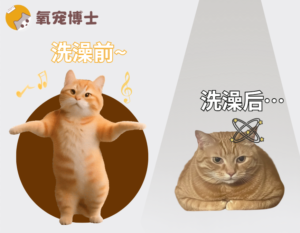
My Cat Is Lethargic After a Bath — What to Do
A cat that's lively before a bath but limp and motionless after is usually having a stress response — most cats hate water, and the tension spikes heart rate and blood pressure, burning energy they then recover by lying still (with hiding, over-grooming, low appetite, or shivering). Dry and warm it, give a quiet dim room and a pheromone spray, and watch; if vomiting, diarrhea, or no eating beyond 24 hours appears, see a vet.