Search Results
243 results for “cat mouth ulcers”

Why Is My Chinchilla Drooling?
Chinchilla drooling is usually a sign of mouth disease—stomatitis, gingivitis, ulcers, or misaligned teeth—and can also bring bad breath, pain, and appetite loss. For mild gum inflammation use a small-pet oral spray and a broad-spectrum antibiotic; for anything severe, or if digestion, stress, or the nervous system is involved, see a vet to find the exact cause.

What Causes Periodontitis in Dogs?
Periodontitis is a common and painful dental disease in dogs, driven by a mix of physical, fungal, bacterial, and metabolic factors. Physical causes include chewing on fish bones, wire, or other sharp objects that injure the mouth, while fungal infections such as Candida or Blastomyces and bacterial overgrowth can trigger necrotizing ulcerative gingivitis. Metabolic problems like diabetes, kidney disease, dehydration, and hypothyroidism also raise the risk. Affected dogs show bad breath, drooling, swollen or receding gums, loose teeth, and sometimes pus. Diagnosis combines an oral exam with dental X-rays, and treatment requires professional cleaning or extraction under anesthesia plus ongoing home dental care.

Symptoms of Canine Leptospirosis
Leptospirosis is a serious dog disease caused by Leptospira bacteria - also called infectious jaundice or hemorrhagic jaundice - that spreads through skin, mucus membranes, and contaminated food or water, often peaking in summer and early autumn. Two forms stand out: one brings sudden fever, vomiting, dark bile-colored urine, yellow gums, and bleeding, while the other causes vomiting and bloody diarrhea with mouth ulcers and a death rate of 60-80 percent in acute cases. Diagnosis uses microscopy, culture, and blood tests, and treatment pairs antibiotics with liver and fluid support. Clean housing, rodent control, quarantine, and the two-type vaccine are the key preventives.

Does Dog Bad Breath Mean It Ate Poop?
Dog breath is common, but four causes explain most of it - and eating poop is rarely one. Periodontal disease lets bacteria release sulfur compounds; mouth ulcers appear as sudden worse odor; trapped food ferments into a rotten-egg smell; and gut trouble from a messy diet produces foul breath. Improve it by brushing with pet toothpaste, reviewing the diet (skip cheap unbalanced kibble and strong-smelling raw meat), checking the mouth for tartar or ulcers, and watching the stool for digestive issues. For mild cases, use a real antibacterial oral spray - not a fragrance mask.

Why Pets Drool: Stomatitis and Periodontal Disease
Persistent drooling often points to mouth inflammation. Stomatitis can be contagious (virus-linked) and, in cats, often lifelong — a red line forms where gum meets tooth, with constant drooling. As it worsens, ulcers grow, the cat may stop eating and lose weight. Periodontitis, driven by bacteria and tartar, also causes drooling, bad breath, and tooth loss. Diagnosis needs an oral exam (often under anesthesia) and dental X-rays; treatment ranges from antibacterial rinses to antibiotics and, in severe tartar cases, extraction.

How Feline Chlamydial Pneumonia Develops
Feline chlamydial pneumonia is a highly contagious but uncommon cat disease, well covered by routine vaccination, so regularly vaccinated cats rarely catch it. It spreads through eye, nose and mouth secretions on shared bowls, cages or hands, and by sneezing. It starts as conjunctivitis and, left untreated, can advance to fever, pneumonia and infections of the airways or reproductive tract. Antibiotic eye ointment and oral antibiotics clear it, but recovered cats still carry and shed the organism, so isolation matters.

Common Items in a Dog Health Checkup
A routine dog checkup covers coat and skin, weight, temperature, eyes, ears, teeth, feces, X-rays, and blood work. Many diseases show no early signs and become serious or even untreatable by the time they appear, and older dogs face organ decline and age-related illness, so yearly exams are worthwhile. A typical visit measures rectal temperature (normal 38-38.9°C), checks eyes and ears for cleanliness, assesses coat and weight, examines the mouth for gum or tooth disease, and may add fecal, X-ray, or blood tests as needed.
What Causes Malocclusion in Rabbits?
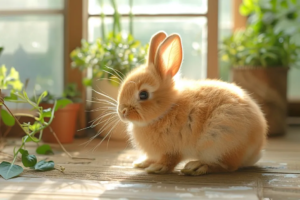
Malocclusion, or misaligned teeth, is a common rabbit dental disease with congenital and acquired forms; most cases are acquired from poor management. Rabbit teeth grow continuously, so they must wear them down by eating coarse fiber like grass. Without enough chewing, teeth overgrow and slip out of alignment. Overlong teeth can cut the lips, tongue, and cheeks, cause painful refusal to eat and mouth ulcers, and in severe cases the roots may pierce into the nasal cavity, eye socket, or jaw, forming abscesses. Prevent it with regular dental checks and plenty of hay for wear.

Dutch Rabbit
The Dutch Rabbit is a small, distinctly marked pet rabbit with a white inverted-V on the face and a sharp color split between front and back. Gentle, smart, and nearly odorless, it needs timothy hay, a chew stick, steady 25–32°C, and a wire-free, dry cage. Lifespan about 5–7 years.
Phrynops williamsi
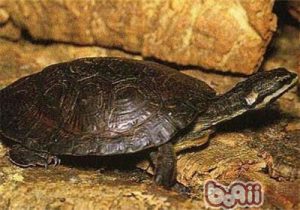
Phrynops williamsi, also called the Masked Toadhead Turtle, is a side-necked turtle from South America that loves basking and is semi-aquatic in the wild. Lively and relatively easy to keep, it remains uncommon in captivity and is found mainly as wild-caught individuals.