Search Results
231 results for “cat marking”

Graptemys pulchra (Alabama Map Turtle)
The Alabama map turtle resembles the red-eared slider in habits, with head striping and a protruding keel. Named for its map-like yellow markings, it feeds mainly on aquatic clams and snails, crushing shells with its hard jaws.

Pseudemys alabamensis (Alabama Red-bellied Turtle)
The Alabama red-bellied turtle is a small to medium aquatic turtle with a carapace 35–45 cm long. Hatchlings are vividly colored, but in the wild adults become dull and grayish-black; captive-bred individuals can retain their bright coloration.

Bell’s/Lowveld Hinge-back Tortoise
Bell's Hinge-back Tortoise (Kinixys belliana) is a relatively common hinge-back tortoise that lives a solitary life in dry habitats. Demanding in its care, it is not recommended for beginner keepers.

Creaser’s Mud Turtle
Creaser's Mud Turtle (Kinosternon creaseri) is a lesser-known mud turtle with a dark shell and pale head. Known for its aggression and strong territoriality, it is rarely kept in captivity and seldom seen in the market.

Coahuilan Box Turtle
The Coahuilan Box Turtle (Terrapene coahuila) is an uncommon box turtle that adapts poorly to captivity compared with its eastern relatives. Its plain, unpatterned shell makes it less popular among keepers.
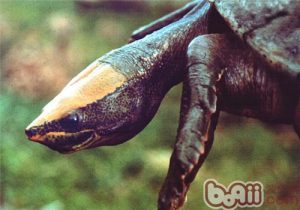
Central American River Turtle
The Central American River Turtle (Dermatemys mawii) is a large aquatic turtle, scarce in number and protected by local governments. It is a rarely seen aquatic species, the sole surviving member of the family Dermatemydidae, and an ancient reptile now found only in a small part of Mexico.

Amazon Mud Turtle
The Amazon Mud Turtle is a relatively scarce species of musk turtle that emits a musky odor when threatened. It reproduces slowly, so its wild population is in decline, and in the wild it feeds on insects, making it largely carnivorous.
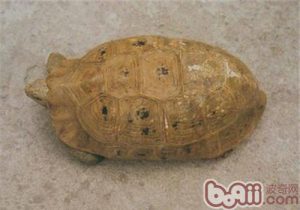
Celebes Tortoise
The Celebes Tortoise (Indotestudo forstenii), also called the Sulawesi tortoise, is a herbivorous land tortoise native to the Indonesian islands. It resembles the Burmese mountain tortoise but grows slightly larger, and is relatively easy to keep in captivity.

Acanthoscurria juruenicola
The Brazilian orange-banded tarantula (Acanthoscurria juruenicola) is native to Brazil and Peru — another large species from Brazil. Overall brown with orange markings at the joints, a deep black carapace, and red hairs on the abdomen, the color combination is striking. Like the Brazilian whiteknee, the spiderlings are almost grey-white and will dig to hide.

What Is Feline Infectious Peritonitis (FIP) and Its Symptoms
FIP is an often-fatal disease; the coronavirus is the culprit. Many cats catch the coronavirus, but few develop FIP.