Search Results
347 results for “cat lump”

How to Choose the Right Cat Litter
The wrong litter can contribute to urinary problems in cats, so choosing well matters. This guide compares the main types of cat litter—plant-based (tofu, corn), paper, bentonite clay, crystal (silica), and pine or wheat—and lays out the pros and cons of each. Understanding clumping ability, dust, flushability, odor control, and cost helps you pick a litter your cat will actually use and that supports its urinary and respiratory health.
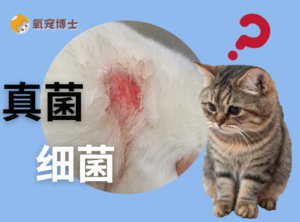
Cat Skin Redness and Hair Loss: Fungal or Bacterial?
A cat's skin normally carries small amounts of bacteria and fungi that only cause trouble when the skin barrier breaks. Fungal infection, usually Microsporum canis, shows as ring-shaped hair loss with a red raised edge and dry scales, and spreads slowly. Bacterial infection is usually secondary—after a scratch, bite, mite, or allergy—and appears as pustules and fast-growing ulcers. Telling them apart guides the right treatment.

Is It Normal for Cat Poop to Come in Segments?
Segmented-looking cat poop isn't automatically a problem. If the stool is basically a continuous log with a few cracks and your cat acts normal, it's usually just how the colon forms stool. But hard, stone-like lumps, blood or mucus, straining, or no bowel movement signal early constipation. Boosting water, adding wet food, and daily brushing for hairballs are the first steps; see a vet if it doesn't improve.
Will a queen cat’s milk swelling (engorgement) go away on its own?
Mild cases usually resolve. Help by hand-expressing, then warm compresses 5-10 min daily for a week. See a vet if inflamed, red, or ulcerated.

Leiomyomas in Dogs and Cats
Leiomyomas are benign smooth-muscle tumors that can arise wherever smooth muscle exists, such as the uterus, stomach, intestine, and blood-vessel walls. Dogs are affected more often than cats. Surgical removal is the usual treatment, and follow-up care prevents spread.

Chondromas in Dogs and Cats
Chondromas are benign cartilage tumors that arise in the long bones and affect the ribs, pelvis, and sternum. They are attached to bone and need surgery only when swollen or pressing on a nerve. Most cause no signs and need no treatment.

Mammary Tumors in Dogs and Cats
Mammary tumors are common in intact female dogs and are the third most common feline tumor. They often appear as firm nodules in the mammary chain and can ulcerate or spread to lymph nodes and lungs. Early spaying sharply lowers risk, and surgery is the main treatment.

Cutaneous Fibromas in Dogs and Cats
Cutaneous fibromas are benign tumors that arise spontaneously or after injury and can occur anywhere on the skin of dogs and cats. They are well-defined, hairless, and rarely ulcerate, and small ones may need no treatment. Surgical removal cures most cases.

Cutaneous Mast Cell Tumors in Dogs and Cats
Cutaneous mast cell tumors can appear anywhere on the skin or internal organs, most often on the hind legs, perineum, and prepuce. They vary from slow soft lumps to fast hard nodules and may ulcerate. Surgical removal of well-defined tumors is the main treatment.

Fibrosarcomas in Dogs and Cats
Fibrosarcoma is a malignant tumor of fibrous tissue and the second most common mouth tumor in dogs. About 60 percent arise in the skull bones and 30 percent in the long bones. It is firm, invasive, and bleeds easily when sampled. Surgery is the main treatment.