Search Results
347 results for “cat lump”

Why Your Cat Has a Pimple or Abscess on the Chin
A lump or pus-filled bump on a cat's chin can come from parasites, bacterial infection, heat, folliculitis, a salivary-gland cyst, or an insect sting or small wound. Figuring out the exact cause guides the right treatment. Bacterial bumps are usually drained and then cleaned and disinfected, while parasitic and bacterial causes are best prevented with regular deworming and good dental care. Keeping your cat's diet light and its mouth clean lowers the risk. See a veterinarian if the swelling is large, soft, or shows signs of a cyst or allergic reaction.

How to Choose a Combined Parasite Treatment for Your Cat
Even indoor cats catch parasites—fleas, ear mites, roundworms, and mosquito-borne heartworm all reach them. Combined spot-ons treat inside and out in one dose without pills, which is why they are the top choice for house cats. The real question isn't 'which brand' but 'which active ingredients fit your cat's risks.' Here is the science, minus the marketing.
Don’t Ignore Joint Pain in Your Cat or Dog
Joint pain is not 'just old age.' From limping and hesitant jumps to morning stiffness and a short temper when touched, pets signal discomfort in quiet ways. Catching it early protects mobility and comfort. Learn the warning signs, why joints degrade, and the practical steps—weight, exercise, and veterinary care—that keep your companion moving.
Cat ‘Garlic-Clove’ Coat vs. Dirty Fur: How to Tell Them Apart
A 'garlic-clove coat' is a cat-lover's term for fur that parts into neat, clove-like segments — a sign of dense, healthy undercoat on a slightly plump cat, borrowed from the fur industry's 'garlic-clove fur.' It feels smooth and springs apart with a light rub, usually along the neck, back, and sides. Genuinely dirty or oily fur, by contrast, clumps in greasy, sticky strands near the paws, belly, or tail tip. A garlic-clove coat signals good nutrition (but possibly excess weight), while real dirt needs a bath. Keep the coat lush with high-protein food, B vitamins, fish oil, and regular brushing.

Why Doesn’t My Cat Throw Up Hairballs
Cats groom constantly, so they swallow hair - but not every cat throws it back up. Swallowed hair usually passes with food into the stomach and on through the intestines, leaving in the stool; only when the stomach flags it as a foreign body does the brain trigger a vomit. So a cat that rarely hacks up hairballs is often just moving the hair through normally. More frequent grooming can signal fear or stress. The real concern is hairball syndrome, where a matted clump blocks the stomach outlet and causes repeated violent vomiting and dehydration - see a vet if vomiting happens many times a day. Prevent it by regular brushing, trimming long coats, and hairball-control food with extra fiber.
How to Tell If Your Cat Is Dehydrated
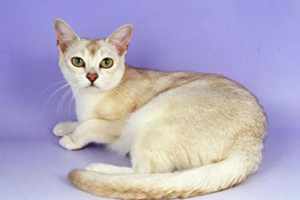
An adult cat needs about 150 ml of water a day, but cats dislike drinking, so many drift into chronic dehydration and later urinary trouble. Two home checks: stool - if it comes out in hard, dry pellets the cat is already short on water (the body pulls moisture from waste); and urine clumps - an adult's clump should be about a third of a palm, once or twice a day, so a ping-pong-sized clump is a red flag. Remember, you judge by what goes out, not what goes in. Fix it with a fountain cats prefer and wet food or rehydrated freeze-dried meals.

Can Inhaled Cat Hair Reach Your Lungs?
A rumor says cat hair is sucked into human lungs - but you would need to vacuum like a machine. The human airway filters by size: particles over 10 microns stop in the nose, 2-10 microns reach the throat, and only under 0.5 microns enter the lungs. Cat hair is about 20 microns wide, so it never reaches the lungs. It does, however, get swallowed: cats groom 50% of their waking hours, and in shedding season a cat loses handfuls - unmanaged hairballs can be fatal, and vet bills are steep, so prevent hair issues early.

What Happens When Your Cat Gets Vaccinated
Kittens get maternal antibodies from milk, but those fade after weaning, so vaccines must stimulate the immune system to make its own. Without enough antibodies a cat catches viruses easily, so shots preventing panleukopenia, cat flu and calicivirus are essential. Start at two months if healthy; a newly adopted cat waits a week at home first. The first series is three shots about 28 days apart, plus rabies at three months, then yearly boosters. Before the shot, a health check and no baths; after, observe 15-20 minutes for allergic reaction, and a lump at the site is usually slow-absorbed adjuvant - warm compress helps.

Common Cat Eyelid Diseases and How They Are Treated
Cats are relatively less prone to eyelid problems than some other pets, but when an eyelid condition does appear it can affect both eye health and overall comfort. The eyelid is built from four layers (conjunctiva, tarsus, muscle, and skin) and carries the glands that keep the tear film healthy. Knowing the common disorders and how they are managed helps you spot trouble early.

Helping Your Cat Love the Litter Box
Most cats use litter naturally, but some need coaching. A clean box, the right litter type and scent, a slow switch when changing brands, and thorough cleanup of accidents all build the habit. This guide covers setup, litter choice, changing frequency, and removing odor traces that invite repeat accidents.