Search Results
291 results for “cat labor”

Norwich Terrier
The Norwich Terrier is one of the smallest working terriers, developed in early 20th-century England and recognized in 1932. Small yet fearless, sociable and good-natured, it makes an adaptable, easy-to-keep companion that loves exercise.

Pomeranian
The Pomeranian is a tiny, fox-faced spitz dog originally from Germany, known for its fluffy double coat and bold, lively personality. It makes an affectionate and entertaining companion.

Can Turtle Pneumonia Heal on Its Own?
Turtles are easier to keep than many pets but still get sick, and pneumonia is common and usually will not heal by itself. Timely treatment is needed. Here is what to know about turtle pneumonia.

How Long Until a Turtle with Pneumonia Dies?
If a turtle gets pneumonia and the owner does not treat it in time, it may die in about a month. With prompt care, survival rate is high. Here is how turtle pneumonia leads to death and how to treat it.
Two days ago there was reddish eye discharge and slight hair loss at the corner of the eye; today there is a red patch on the nose that looks like a nosebleed, and there’s a puffing sound when held with what seems like sneezing
Based on the symptoms described, your hamster may have nasal mucosal damage or a respiratory tract infection. Reddish eye discharge and hair loss at the eye corners may be signs of eye infection or irritation, while the red area on the nose and nosebleed could be caused by nasal mucosal damage from excessive sneezing or other nasal-cavity problems. The puffing sound may be labored breathing from sneezing and nasal congestion due to respiratory irritation.
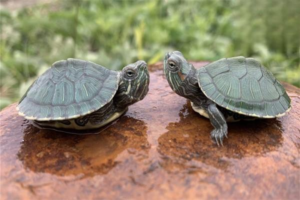
Symptoms and Treatment of Pneumonia in Turtles
Turtle pneumonia appears in stages: early runny nose and lethargy, middle loss of appetite with open-mouth breathing, late blocked nostrils and sideways floating. Treat with warmth (28–30°C / 38–40°C keeping), azithromycin or amoxicillin baths, and tube-fed medication; see a vet if there is no improvement.

Parrot Pneumonia: Symptoms and Treatment
Parrot pneumonia often follows untreated colds or arises from dirty, pathogen-heavy environments. Signs include lethargy, loss of appetite, breathing difficulty, and shivering. Treatment focuses on warmth (22-25 C), clean housing, supportive care, and antibiotics such as gentamicin for serious cases.

Parrot Cold: Symptoms and Treatment
Parrots get colds from sudden temperature swings or drafts after bathing, showing lethargy, runny nose, and sneezing. Clean the nostrils, move the bird to warmth, and use bird-safe cold medicine; severe blockage can suffocate, so treat early. Note parrot colds can spread to humans.
How long does a puppy with pulmonary edema need oxygen?
A puppy with pulmonary edema needs oxygen 24 hours a day or risks suffocation. It strikes suddenly with labored breathing and blue membranes; the danger period is 3 to 7 days needing oxygen, fluids, and drugs at the clinic.

Trichomoniasis in Parrots: Symptoms, Diagnosis, and Treatment
Avian trichomoniasis is a parasitic disease from Trichomonas gallinae, common in parrots (and pigeons, ~80% carriers). Signs include yellow cheesy throat lesions, drooling, weight loss, diarrhea, and breathing trouble; severe cases damage organs. Diagnose via mouth-swab microscopy (not fecal), isolate and disinfect, and treat with dimetridazole (50 mg/kg or 0.05% in water for 5–6 days). Prevent by quarantining new birds.