Search Results
350 results for “cat kidney”
Kidney Disease: The Silent Threat to Cats and Dogs
Kidney disease is a silent killer of pets—early signs are subtle, and by the time you notice lethargy, weight loss, excessive thirst, frequent urination, reduced appetite, vomiting, or bad breath, treatment may be overdue. Studies suggest 1 in 3 cats and 1 in 10 dogs has kidney disease. Newer testing (SDMA) can flag problems when only 25% of function is lost, far earlier than traditional tests (75%). Management means vet-guided diet and medication, no table scraps or treats, encouraging water, and regular monitoring.
Why Does a Cat Suddenly Get Kidney Failure?
Cat kidney failure is acute or chronic. Acute causes include poisoning, urethral blockage, and low renal perfusion; chronic comes from long-term toxin damage. Treatment is fluids, liver support, and symptomatic care; acute failure is fatal fast without prompt care.
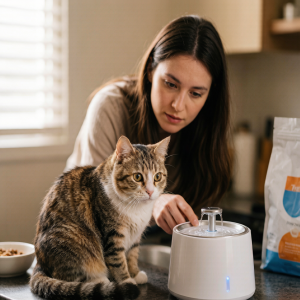
Chronic Kidney Disease in Cats: Symptoms and Treatment
Chronic kidney disease is common in cats and a leading cause of death, mainly because cats drink little, staying dehydrated and stressing the kidneys until function is slowly lost.

How High Is the Survival Rate for Acute Kidney Failure in Cats?
A cat's odds of surviving acute kidney failure depend mainly on how early it is caught: prompt diagnosis and treatment can restore normal kidney function, while delay is often fatal. Causes range from toxins to blockages, and treatment centers on fluids, medication, and sometimes dialysis.

Highly Toxic Plants for Cats
Many common houseplants are deadly to cats — lily, azalea, sago palm, and cyclamen among them — causing kidney failure, heart problems, or death even in small amounts. Keep these plants out of any home with a cat.
Common Plants and Flowers Harmful to Cats
Curious cats often chew houseplants, and many common ones — autumn crocus, tulip, oleander, hydrangea, snake plant, and more — can poison them. Check your home for these before bringing a cat in, and learn what to do if ingestion happens.

What Causes Cat Pneumonia — and How Is It Treated?
Cat pneumonia starts with lung or bronchial inflammation, often triggered by dirty air, low immunity, a foreign body, a cold, allergy, or another disease (parvo, panleukopenia, kidney/heart). Acute cases show sudden fever and breathing trouble; chronic shows lasting cough and low appetite. Treatment is culture-guided antibiotics plus cough relief and fluids, with prevention focused on a clean, dry environment.

Common Mistakes to Avoid When Raising a Cat
Many new cat owners lack experience and misunderstand their pets, leading to common care mistakes such as keeping toxic plants, scolding the cat, or feeding table scraps. This article lists typical cat-raising mistakes so owners can avoid them.

Why Is My Cat Licking Its Lips?
A cat licking its lips may just be grooming after a meal, but it can also signal stress, mouth pain, nausea, dry mouth, or an upper respiratory problem. Watch for drooling, bad breath, or frequent licking, and see a vet if anything seems off.
How about tabby Siamese cats?
Tabby Siamese cats are popular, with dark striped coats, large ears, and blue eyes. They are lively, smart, affectionate, and curious, depend on human company, and adapt quickly to new environments.