Search Results
350 results for “cat kidney”
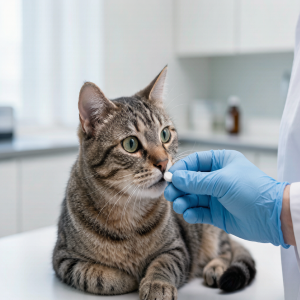
Treatment of Feline Hyperthyroidism
Treating feline hyperthyroidism may involve one or more of several approaches, starting with medication. This article covers methimazole, surgical thyroidectomy, radioactive iodine (I-131) therapy, and supportive follow-up care.

Symptoms and Diagnosis of Feline Hyperthyroidism
Hyperthyroidism is a very common disease in older cats and produces a range of symptoms. This article describes the clinical signs and the diagnostic tests, including T4, free T4 by equilibrium dialysis, chest X-rays, and technetium-99m scans, used to confirm it.

Diagnosis and Treatment of Feline Hypertrophic Cardiomyopathy
Hypertrophic cardiomyopathy (HCM) is a form of heart muscle disease in cats. This article lists conditions that mimic HCM, the diagnostic tests used to confirm it, including echocardiography, and the medical and home-care approaches to treatment.

How Lymphoma in Dogs Is Diagnosed
If lymphoma is suspected, the vet starts with a full history and physical exam, then adds tests to confirm lymphosarcoma and rule out other diseases. Fine-needle aspiration is the most common first step.

Can Pets Eat Beets? Benefits and Safety Tips
Beets are a low-calorie root vegetable that can be a healthy occasional treat for dogs and cats. Learn the potential benefits — fiber, nitrates, betalains — and the precautions to feed them safely.

What to Do If Your Dog Eats Amphetamines
Amphetamines are human prescription stimulants that are toxic to dogs, usually swallowed by accident. Signs appear within one to two hours and include restlessness, tremors, and seizures. Prompt veterinary treatment is essential.

What to Do When Your Dog Has Urinary Stones
Urinary stones — in the kidney, ureter, bladder, or urethra — show up as strained, painful, or bloody urination. Knowing the stone type and location guides whether dissolution, diet, medicine, or surgery is the right call.

Dog Heartworm Disease: Signs and Care
Heartworm passes to dogs through mosquito bites and is common in warm regions. Early signs are faint, but later the dog loses stamina and develops cough and fluid in the belly. Treatment is a vet-only, staged process.

Can Dogs Take Human Fever Medicine?
No, dogs should never be given human fever reducers; many common ones are toxic to them. Tell a fever by temperature, mood, appetite, and a dry hot nose, then cool the dog safely and let a vet choose the right canine medication.
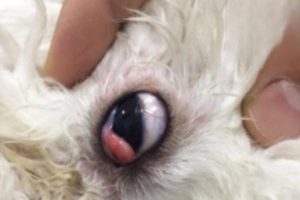
Bump Near a Dog’s Eye: What to Do
A bump under the eye can be skin disease or a growth, so a vet must identify it before you treat. Growths may need surgery; infected lumps respond to a vet skin spray and ointment, plus clean surroundings.
- « Previous
- 1
- …
- 33
- 34
- 35