Search Results
18 results for “cat jowls”

Which Cat Breeds Won’t Develop Stud Jowls
Stud jowls are about 70% genetics — British Shorthairs and Exotics fill out easily, while Russian Blues, Siamese, Sphynx, and Devon Rex almost never do. Males develop them from hormonal changes at 6–8 months, so neuter only after the jowls form if you want to keep them.
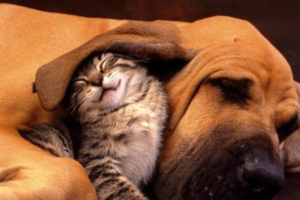
How to Help Your Cat Develop Stud Jowls
Jowls are mostly genetics, but the right support — high-quality food, plenty of protein, and neutering if you don't breed — can help a susceptible cat fill out. Siamese and Sphynx simply can't, and toms do it far more easily than queens.
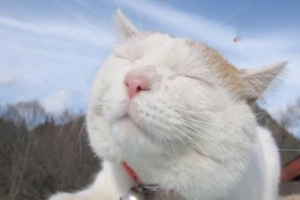
How to Help Your Cat Develop Full Cheek Jowls
Full cheek jowls are a male, breed-linked trait — Sphynx, calico, Devon Rex, and Siamese cats rarely develop them, so don't overfeed a cat that won't. For cats that can, deworm monthly, feed a protein-rich diet (35%+ kibble plus meat and egg yolk), and add vitamins; skip the daily nutritional paste, which just drives obesity.
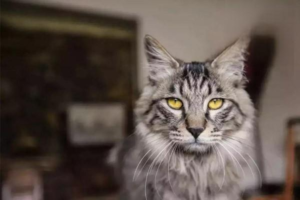
Why and How Cats Develop Cheek Jowls
Cat 'cheek jowls' means fat on the cheeks — like middle-age weight gain in people. While that looks less attractive in humans, it makes cats look cute.
When does a British Shorthair blue cat develop cheek jowls (stud cheeks)?
British blue cats usually develop jowls at 6–8 months; timing varies by genetics/diet. If parents both have them, the kitten may show at 2–3 months. At 2–4 months, add boiled chicken, fish, beef, shrimp (high protein), or nutritional paste/canned food; with such diet, jowls may appear around 6 months.
How does a Golden Shaded (golden gradient) cat develop cheek jowls?
Golden Shaded cats cheek up fairly easily; feed more with chicken breast, goat milk, milk cake, nutrition paste, beef, freeze-dried and egg for protein. Give chewy foods to exercise jaw muscles. Because cheek fill is a male secondary trait, don't neuter too early; most start at 8 months.
When do cats develop cheek jowls?
Cats develop jowls around 8 months to 1 year, as it is a secondary male trait appearing after sexual maturity (6-8 months). Intact males may spray and act moody. Feed protein- and fat-rich foods like goat milk, chicken, and fish to promote it.
At what age do cats develop cheek jowls?
Jowling peaks between first heat and neutering, and only males do it. Males usually heat at about 8 months; feed protein-rich foods and hard chews then to build jaw muscle. Not all breeds jowl - domestics, Siamese, Russian Blue, Sphynx, and Maine Coon do not.
When is the best time for a female cat to develop cheek jowls?
Female cats do not develop cheek jowls - that is a male secondary trait. Males jowl best at 6-8 months, early puberty. Though females do not, diet with protein-rich foods can improve muscle and build. Avoid overfeeding to prevent obesity.
At what months does a cat develop cheek jowls (fluffy cheeks)?
Cats develop jowls at 6-8 months, a male secondary trait driven by hormones; early-neutered cats won't. Not all breeds do - British Shorthair, Exotic and Chinchilla do; Siamese don't.