Search Results
1706 results for “cat in pain”
Why Does Your Cat Suddenly Attack You?
A sudden cat attack can come from rough play, awkward petting, pain, or jealousy. If you play with your hands, a cat may treat them as toys and bite—stop this early so it doesn't become a habit. Touching a cat's sore spots (paws, belly) or petting too hard can trigger a swipe; a sick or painful cat may lash out when touched. Jealousy also fuels aggression—don't flaunt other cats. Learn your cat's limits to keep the peace.

Why Are Overweight Cats Prone to Pancreatitis?
Chubby cats may look adorable, but excess weight quietly raises the risk of pancreatitis, a painful and serious inflammation of the pancreas. The pancreas secretes enzymes that digest fat, protein, and carbohydrates, but it is a sensitive organ that becomes inflamed when overworked. Overweight cats usually take in too much energy and fat, forcing the pancreas to produce extra digestive juice and overloading it. Obesity also disrupts cholesterol and fat metabolism, adding further pressure. Many heavy cats also eat large amounts of high-fat, high-calorie food, which expands the gut and stresses the pancreas even more. Age, genetics, and certain diseases add to the risk, so while obesity is not the only cause, it is a major one. Keeping your cat at a healthy weight through balanced, low-fat food and regular play is the best defense.

Why Do Cats Get Folliculitis?
Feline folliculitis is a common skin condition that causes discomfort and distress for cats. It can be triggered by a mix of external factors, daily habits, and even genetics. Environmental issues such as bacteria, fungi, and parasites thrive in warm, humid conditions and raise the risk of infection. Over-grooming, scratching, and poor coat care can also damage the skin and lead to flare-ups, while long-haired breeds like Persians and Siamese are genetically more prone to it. The good news is that folliculitis is manageable. Treatment involves clipping the affected area, cleaning with saline, disinfecting with iodine, and applying an antibacterial ointment daily. Prevention relies on a balanced diet, regular grooming, a clean and dry living space, gentle bath products, and routine veterinary checkups. With the right care, owners can greatly reduce the likelihood of recurrence.

Treating Cat Ear Mites: Cleansers, Medicine, and the Full Protocol
When a cat scratches its ears and shakes its head with dark waxy discharge, ear mites are the likely cause. A cleanser alone only removes debris—it does not kill the mites. Real recovery needs cleaning plus a miticide and a deworming spot-on, done in three rounds. Here is the full, safe protocol and what to look for in an ear cleanser.
What Are the Black Dots on My Cat’s Skin?
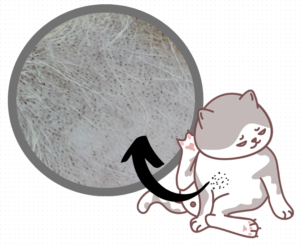
Those little black specks on your cat's chin, tail, or belly are usually the early sign of folliculitis—clogged, infected hair follicles that look like human blackheads. It is common, mild, and very treatable with gentle local cleaning, a lighter diet, and a few daily-habit tweaks. Here is how to recognize it and clear it up.

Why Cats Eat Less in Winter (and What to Do)
Cats are poor at regulating body temperature, so when it gets cold their metabolism slows and appetite often drops. Lower winter activity also weakens gut motility, slowing digestion and leading to reduced interest in food. Appetite loss can also signal a health problem—a chill, a cold, oral disease, or long-term cold drinking water causing stomach upset. To help, warm your cat's surroundings, feed on a fixed schedule, and boost palatability by mixing in favorites like chicken, fish, freeze-dried treats, or egg yolk, and serve food slightly warmed. If you notice sneezing, runny nose, lethargy, fever, diarrhea, or vomiting, see a vet.
What are the symptoms of feline panleukopenia (cat distemper)?
Signs include abdominal pain, lethargy, bloody diarrhea, fever and vomiting. The most acute form damages the intestines and lowers white cells, often killing the cat within 24 hours.

Will Hitting a Cat Stop It From Peeing on the Bed?
Many cats develop a habit of urinating on the bed, and the strong odor of cat urine makes the smell linger even after cleaning, causing real frustration for owners. Some pet parents believe a quick swat will teach a lesson, but punishment rarely works. Most cats that are hit will hold a grudge and may urinate on the bed even more, or act out with scratching, sofa damage, or nighttime attacks. In truth, bed-wetting usually signals an underlying issue—heat cycles, stress, or a urinary or reproductive disease—not defiance. The right approach is to rule out medical problems, consider spaying or neutering, check the litter box, clean accidents thoroughly, and reward correct toileting. Guidance, care, and positive reinforcement, rather than punishment, are what truly resolve the behavior.

Is It Normal for Cats to Swallow Kibble Without Chewing?
Cats that gulp down kibble without chewing are usually behaving perfectly normally, and it generally does not harm their digestion. This fast-eating habit is inherited from wild ancestors who swallowed prey whole to avoid losing it to rivals, while a cat's sharp, offset molars are built for tearing rather than grinding food the way human teeth do. Most modern kibble is formulated to be easily digestible, so whole swallowing is rarely a problem. However, a sudden shift to non-chewing, signs of mouth pain while eating, or undigested kibble appearing in the stool or vomit can signal dental disease or poor digestion. Choosing appropriately sized kibble, using a slow-feeder bowl, and offering chewy treats such as freeze-dried meat can encourage healthier eating. Keep an eye on your cat's habits and consult a vet if anything changes.

Why Has My Cat’s Personality Changed?
A sudden change in a cat's temperament can come from heat, neutering, strong pain, illness, a teenage 'rebellious' phase, or psychological stress. A cat in heat grows restless and may spray, then settles after; neutering usually makes it calmer and lowers reproductive-disease risk. Pain makes a cat reject touch and lash out, so see a veterinarian if it guards a body part. New pets, punishment, or loneliness can also trigger fear or retaliation, and sensitive cats can develop anxiety or depression without enough companionship.