Search Results
1706 results for “cat in pain”
Why Your Cat Has a Pimple or Abscess on the Chin
A lump or pus-filled bump on a cat's chin can come from parasites, bacterial infection, heat, folliculitis, a salivary-gland cyst, or an insect sting or small wound. Figuring out the exact cause guides the right treatment. Bacterial bumps are usually drained and then cleaned and disinfected, while parasitic and bacterial causes are best prevented with regular deworming and good dental care. Keeping your cat's diet light and its mouth clean lowers the risk. See a veterinarian if the swelling is large, soft, or shows signs of a cyst or allergic reaction.
Why Is My Cat’s Skin Red and Swollen?
Red, swollen, itchy, or balding patches that your cat keeps scratching are often a sign of skin disease, and some types can spread to people, so take it seriously. Common causes include allergies, which usually appear symmetrically with intense itch from food, pollen, dust mites, or contact with irritants; infections that enter through small scratches, such as bacteria causing hot, painful, pus-filled spots, fungi causing round hairless red rings that may glow green under a Wood's lamp and can infect humans, or parasites like mange and ear mites; and rare autoimmune issues like pemphigus or lupus that bring symmetric blisters and general signs. Before seeing a vet, put on an Elizabethan collar to stop scratching, switch to a single-protein hypoallergenic diet, remove suspected allergens, and check with a Wood's lamp in the dark: green glow suggests fungus, treat with ketoconazole ointment, while no glow allows antibacterial ointments like zinc oxide, erythromycin, or mupirocin after clipping, rinsing with saline, and disinfecting with iodine. For severe itch, chlorpheniramine can help. If it worsens or brings other symptoms, see a vet for tests, and add B vitamins and fish oil for skin immunity.

Why Has Your Cat Suddenly Become Aggressive?
A cat can turn aggressive for many reasons, including physical health problems, social conflict, bad past experiences, lack of play and stimulation, and fear or stress. Owners should learn their cat's physical and emotional needs and provide affection, social contact, stimulation, and a safe environment to prevent negative moods. If the aggression persists or worsens, have the cat checked at a veterinary clinic and, when needed, consult a professional animal behaviorist.

Why Is My Dog in Pain When Urinating?
When a dog shows pain while urinating, the cause is usually a problem in the urinary tract, such as a urinary infection, bladder stones or crystals, or a blockage. Along with painful urination, you may notice frequent or urgent attempts to urinate, straining, reduced output, blood in the urine, cloudy or pus-like urine, or a complete inability to pass urine. Because these conditions can quickly become serious, any sign of painful urination means your dog should be seen by a veterinarian promptly. Diagnosis may involve urinalysis, X-rays, ultrasound, or other tests, and treatment is chosen according to severity, ranging from relieving a blockage and catheterization to medication or surgery.
Does a Cat’s Personality Change After Neutering?
The belief that cats turn gentler after neutering is partly true but not guaranteed. Neutering removes the testes or ovaries and uterus, so a cat can no longer breed and its sex hormone levels drop. Without heat cycles driving hormones up, many cats become calmer and more stable, with less aggression and territorial drive, and they often accept petting more willingly. But the direction and size of any change depend on the cat's age, temperament, and environment. Some become more aloof and less social, and right after surgery a cat may act irritable and lose appetite from pain, fear, and the stress of the procedure. Others show no clear change at all, especially if their personality was already steady. Support your cat through mood swings with extra affection, a stable routine, private space, and more gentle interaction. Neutering does not rewrite a cat's core self, so stay patient and respect its individuality.

Why Do Cats Meow So Much?
Some cats are quiet while others meow constantly, and much of it comes down to personality plus circumstance. Hunger is a top reason: a sharp, persistent cry asks for food, so check the bowl and top up if needed. Lonely, attachment-seeking cats vocalize when left alone too long, asking for attention, play, or a cuddle, and a clingy cat may benefit from a companion and more toys. Pain or discomfort also shows up as meowing, especially with low energy, so check the body and visit a vet if something seems wrong. The mating season is another big trigger: unspayed cats call loudly to attract mates and may act out or soil the house, so neutering curbs these behaviors, cuts reproductive-disease risk, and even lengthens life. By learning what each cry means, owners can meet their cat's needs and keep it content.

Why Does My Cat Keep Sticking Out Its Tongue?
A cat that keeps its tongue out is not always being cute, it can signal an underlying issue. Mild tongue protrusion is normal when a cat pants to cool down in heat, but it may also point to respiratory problems such as infection, asthma, allergies, or a foreign object in the airway, often with coughing or labored breathing. Oral pain, stress and fear, and certain heart conditions can also cause it. Provide a cool, calm environment and comfort a stressed cat, but if the behavior persists or comes with other symptoms, have a veterinarian check for respiratory, oral, or cardiac causes.

Why Do Cats Get Cracked Paw Pads?
Cracked paw pads are common in cats, but the cause determines the fix, so treatment should target the underlying issue. Overgrown keratin, the protective layer on the pad, can thicken from too much time on hard floors and too little movement, leading to cracks, so give cats soft surfaces and enough rest. Dry air and low water intake dry the pads out, making humidity control and constant access to fresh water essential. Poor nutrition, especially zinc deficiency, leaves pads dry and brittle, so feed a balanced, high-quality diet. External irritants like grass spines and parasites can also crack the skin, so check and clean the paws regularly. Fungal or bacterial infection brings redness, itch, pain, even bleeding, and needs cleaning, disinfecting, and the right medication. Keeping indoor humidity up, feeding good food, and ensuring hydration are the best defenses.
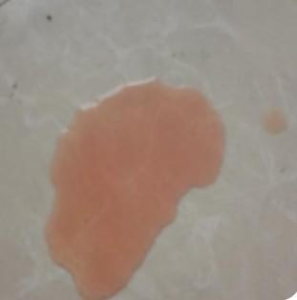
Male Cat Cystitis with Pink Urine: A Recovery Case
A 4-year-old male cat had on-and-off pink, blood-tinged urine—classic of cystitis, urethritis, or crystal irritation of the lower urinary tract, which causes frequent, scanty, painful urination. A diuretic to flush the tract plus an antibiotic for infection, with plenty of water and clean litter, brought normal urine color in about three days. Recurring pink urine, though, deserves a vet check for stones.
Can Cats Eat Spicy Food?
Cats should never eat spicy food. Although they may curiously sniff your plate, capsaicin, the compound that makes food hot, acts on a cat's nasal and oral membranes as a painful irritant rather than a flavor. When exposed, cats feel burning and pain, often drooling, tearing up, or sneezing, and the spice irritates their stomach lining, which can lead to vomiting, diarrhea, and dehydration. Cats are obligate carnivores with digestive systems very different from ours, and they gain no benefit from chili or strong seasonings. If your cat licks a small amount, watch closely and offer water or kitten-milk formula to soothe the gut; for clear distress such as vomiting, diarrhea, or refusing food, give pet probiotics and see a vet promptly. To keep your cat safe and healthy, stick to proper cat food and a balanced diet, and never share spicy human meals.