Search Results
1707 results for “cat in pain”

Oily Tail With Blackheads? It May Be Stud Tail
An oily, blackhead-covered tail that won't wash clean is usually stud tail—a hormone-driven skin condition in cats. Learn to spot early and mid-stage signs and the treatment (clip, medicated wash, spray, collar).

Rabbit Bloat and Food Accumulation: Signs & Relief
Rabbit bloat from food accumulation shows as a growing belly, refusal to eat, and gurgling sounds. Relief: stop pellets, offer timothy hay, massage the belly, give celery, and watch for mucus that signals enteritis.

Leaving Stud Tail Untreated Can Lead to Cellulitis
Untreated stud tail in cats can progress from blackheads to folliculitis and even cellulitis—painful, spreading skin infection. This article explains the risk and the treatment steps (cleaning, antibiotics, neutering).
Rabbit Conjunctivitis
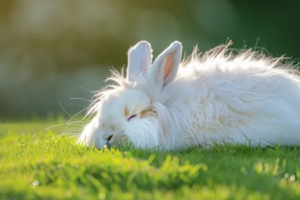
Conjunctivitis is a serious, contagious rabbit eye disease; untreated it can blind. It's often from pasteurella in dirty, damp housing. This article covers causes, the incubation period, and prevention/treatment.

Symptoms and Treatment of Rabbit Conjunctivitis
Rabbit conjunctivitis comes from dirty housing, dust, bacteria, or vitamin A deficiency. Symptoms: red, swollen corners, tearing, congestion, white pus; severe cases blind. Treatment is consistent eye cleaning and drops until recovery.
The Pathogenesis of Rabbit Red-Eye Disease
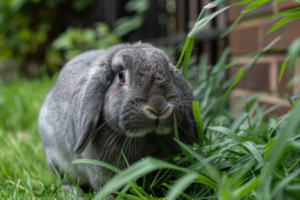
Red-eye disease is another name for rabbit conjunctivitis—a common, serious, contagious illness caused mainly by pasteurella overgrowth. This article explains how it develops, its incubation, and treatment.

Feline Pyoderma: Symptoms and Treatment
Pyoderma is a common bacterial skin infection in cats, often triggered by a damp environment or parasites. It ranges from superficial pustules to deep, painful infections. Diagnosis starts with a skin scrape at the vet, and treatment combines antibacterial care, wound cleaning, environment improvement, and regular deworming.

Canine Megacolon: Symptoms and Standard Treatment
Canine megacolon is rare, so owners miss it until late. Here are its causes, symptoms and treatment to aid observation and prevention.

How Many Times a Day Should a Dog Poop?
Stool frequency and color reflect health — none for 1–2 days or over 4 times daily is abnormal. What is normal? Here is the detail.

What to Do When Your Dog Itches and Keeps Scratching
Dog skin itching has many causes—mange, fungus, fleas, food allergy. Owners must identify carefully. Today we share dog skin-itch situations.