Search Results
74 results for “cat illnesses”
Why Does My Cat Foam at the Mouth After Taking Medicine?
It can be alarming to see your cat drool foamy saliva right after a dose of medication. In most cases this is a normal defensive reaction rather than a medical emergency. Cat medicines are usually bitter and lack the sugar coating found on many human pills, so the unpleasant taste alone can trigger gagging and vomiting. Some drugs are also physically irritating to the stomach lining, especially when given on an empty stomach. Understanding the two main causes—bitterness and gastric irritation—helps you give medicine more comfortably and know when foaming is simply a passing reaction versus a sign you should slow down and check with your veterinarian.
Postpartum Care for Mother Cats
Cat birth is long and exhausting, leaving the mother weak and far more vulnerable to disease. Poor aftercare can lead to uterine problems or lasting complications, so postpartum care matters. Within two hours of delivery, observe quietly without disturbing her or the kittens. Then focus on three pillars: nutritious food (more protein, fat, vitamins, and minerals, plus broths and milk), a calm, clean, warm environment with a disinfected nest, and vigilance for uterine disease and mastitis—seeing a vet at the first sign of trouble.

Why Your Cat Always Seems Hungry
A sudden or constant increase in appetite can signal more than a greedy cat. Internal parasites such as roundworms and tapeworms steal nutrients, leaving your cat underfed despite eating plenty. Diseases like hyperthyroidism, diabetes, or tumors also prevent the body from using food properly, so the cat stays hungry and may lose weight. Emotional boredom and stress can trigger comfort eating too. If your cat eats a lot yet keeps losing weight, a veterinary checkup is essential.
Why Is Your Dog’s Gum Pale? Don’t Ignore It—It Could Signal These Illnesses
A healthy dog's gums are pink and refill quickly after a light press. Pale or whitish gums often mean the body isn't getting enough oxygen—usually because of anemia or an underlying chronic disease. The causes range from nutritional and blood-loss anemia to kidney or liver problems and infections. Because pale gums can point to something serious, they deserve a prompt check rather than guessing at home.
Cat Has Chronic Diarrhea? It’s More Than a Sensitive Stomach
Long-term diarrhea in cats is rarely just a 'delicate stomach' you can fix by swapping food or adding probiotics. Diet and food allergy are common, but so are parasites (some needing specific drugs), inflammatory bowel disease, and metabolic diseases like pancreatitis, hyperthyroidism, or kidney disease. Stress is a third driver. Work through the causes step by step and let a vet run the right tests.

Multiple Myeloma in Dogs and Cats
Multiple myeloma is a malignant plasma-cell tumor of the bone marrow that overproduces immunoglobulin and is rare in dogs and cats. Signs include lameness, bone pain, anemia, bleeding, and weakness, with diagnosis by X-rays, bloodwork, and marrow sampling. Treatment is chemotherapy plus infection control.

Nasal Planum Depigmentation in Dogs and Cats: Symptoms, Causes, and Care
Nasal planum depigmentation is the partial or complete loss of pigment on a dog's or cat's nose, ranging from a small patch after trauma to full depigmentation from hormonal or autoimmune disease. Treatment targets the underlying cause and prevents secondary infection.

Myelitis and Meningomyelitis in Dogs and Cats
Myelitis and meningomyelitis are inflammations of the spinal cord and its surrounding membranes, often secondary to infection or trauma. They cause fever, pain, and progressive weakness or paralysis, and treatment must eliminate the underlying cause while controlling inflammation.

Glomerulonephritis in Dogs and Cats
Glomerulonephritis is immune-mediated inflammation of the kidney's filtering units, often following infection or toxicity, causing fever, vomiting, kidney pain, and later blood in the urine or edema. Veterinary care controls inflammation and protects kidney function before uremia develops.
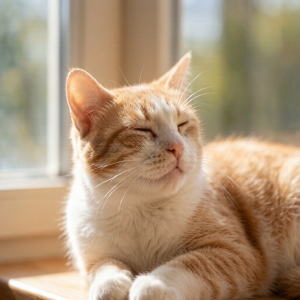
What to Do When Your Cat Sneezes
Cats, like people, sneeze and cough when they have a cold, but sneezing alone does not confirm a cold.