Search Results
72 results for “cat illnesses”
What medicine should a cat with tearing, sneezing, and runny nose take?
Tearing, sneezing, and a runny nose require identifying the cause before medication. These are common cold signs but also occur in illnesses like feline rhinotracheitis, so a vet check is best to confirm the diagnosis.
How Much Water Does a Cat Need Each Day? Even a Little Less Is a Risk
A cat needs about 40–60 ml of water per kg of body weight daily — roughly 200–300 ml for a 5 kg cat. That total includes water from food: dry food is only 5–10% moisture while wet food and fresh diets are 70–80%. Pregnant/nursing mothers need +50%, kittens (3–6 months) 60–80 ml/kg, and hot, dry, or active conditions call for +20–30%. Chronic shortfalls raise the risk of urinary crystals, kidney disease, and constipation.
Thinking of a Dachshund? Pros, Cons, and Common Illnesses First
The Dachshund is loyal, clever, and compact, but also stubborn, vocal, food-obsessed, and prone to back trouble from its long spine. Weigh the pros, cons, and common health issues before you commit to over a decade of care.
How to Relieve Stress in Cats
Too much stress harms a cat's body and mind and can even trigger illnesses like feline idiopathic cystitis. Give your cat a safe, stable, quiet home, play with it daily, offer toys, and keep its diet balanced to lower stress.

Why Does a Male Cat Lick His Genitals?
A male cat may lick his genitals to clean himself, relieve stress, during mating season, or because of illness or infection. Grooming or seasonal behavior is usually harmless as long as the area stays clean, but if licking comes with other symptoms such as trouble urinating, it likely signals a medical problem that needs a vet.
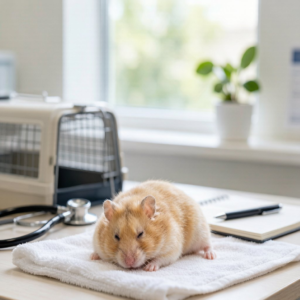
Common Illnesses in Golden Hamsters
Golden hamsters commonly face skin allergies, colds, diarrhea, constipation, and eye trouble such as conjunctivitis, mostly linked to diet and environment. To lower the risk, manage food and housing carefully, keep nutrition complete and safe, and maintain a clean, dry habitat.

How to Relieve Hiccups in Cats
Cat hiccups are usually harmless and happen when the diaphragm spasms, often from eating too fast or too much, drinking too little, swallowing hairballs, or an underlying illness. An occasional hiccup that passes quickly is nothing to worry about. If your cat hiccups frequently, keeps hiccupping for more than a day, or shows other signs such as vomiting, drooling, or low energy, see a veterinarian. You can reduce hiccups by slowing your cat's eating, keeping fresh water available, and limiting how much fur it swallows.
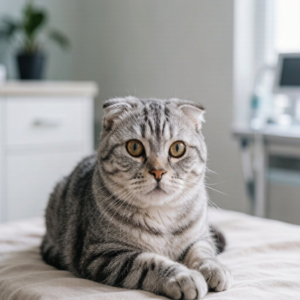
Scottish Fold Cats: Pros and Cons to Consider
Scottish Fold cats win fans with their round eyes, plush cheeks, and famously folded ears, but like every breed they come with both strengths and weaknesses. On the plus side they are loyal, gentle, easy to get along with, quiet-voiced, and quick to learn. The trade-offs are real, though: they are costly, carry a high risk of inherited conditions such as abnormal cartilage growth and narrow airways, have naturally weaker immune systems, and are prone to delicate digestion. Before bringing one home, take an honest look at whether you can meet the extra time, expense, and lifelong commitment their care demands.
Why Cats Develop Uremia (and How to Prevent It)
Uremia occurs when kidney damage stops a cat from clearing waste and toxins, which then build up and harm the body. Causes include age-related decline, unbalanced nutrition, and low water intake, while other illnesses can also damage the kidneys. Watch for changes in urination frequency and volume, dark or cloudy urine, and appetite loss, weight drop, vomiting, or dehydration. Prevention centers on high-quality food, plenty of fresh water, a clean environment, and regular checkups and vaccinations; treatment involves medication, fluid therapy, and nutritional support.
How to Safely Cuddle Your Cat and Stay Healthy
Cuddling and nuzzling a cat - playfully called "sniffing the cat" - is a way owners show affection, and cats are uniquely cuddle-friendly because they barely smell. Unlike dogs, whose whole-body sweat glands make them rank without baths, a cat's scattered glands and constant self-grooming, plus sunbathing that kills bacteria, leave little odor. But close contact is not risk-free: diseases in cat feces or on the coat can pass to people. These include toxoplasmosis, cryptosporidiosis, and roundworm (mostly a kitten worry), plus Q fever from Coxiella burnetii, flea-driven skin allergies, and rarely rabies or hepatitis. Enjoy the cuddle, but wash up after, keep indoor cats' litter clean, and be extra careful if you are pregnant or unwell.