Search Results
204 results for “cat hydration”

How Quickly Is Parvo Fatal in Dogs?
Canine parvovirus is a highly contagious, often deadly disease that kills unvaccinated puppies within days if left untreated. With prompt veterinary care many dogs do recover, so the outcome depends far more on speed of treatment than on the virus alone.

Dog Vomiting Yellow Foam and Not Eating
Yellow, foamy vomit with no appetite can come from a chill or gastroenteritis, and unchecked vomiting risks dehydration. Stop the vomiting, offer small sips of water during a 12-hour fast, and see a vet for gastroenteritis — treat a cold at home with rest and warmth.

Puppy Tracheitis and Bronchitis: Symptoms and Treatment
Dog tracheitis and bronchitis come from repeated viral or bacterial infection plus cold, smoke, and dust irritation, but with good home care and the right medication the recovery rate tops 95%. Watch for cough, fever, and breathing trouble.

Can Parvovirus Spread Between Dogs?
Parvovirus spreads readily between dogs through contact, feces, blood, food, and even air, especially where dogs gather like parks and kennels. Puppies show vomiting and bloody diarrhea, so prompt vet care and keeping unvaccinated dogs home are key.
Canine Parvovirus Disease
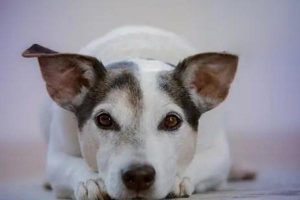
Canine parvovirus is a highly contagious disease that hits weaned-to-90-day puppies hardest and can be fatal; it appears as either an enteritis or a heart-muscle form. Fast vet care, rehydration, and immune support give the best odds.

What Causes Parvovirus in Dogs
Parvovirus is a severe, highly contagious gut disease in dogs that spreads by contact with infected feces, blood, food, or air, especially in parks and kennels. Puppies show vomiting and diarrhea that can turn bloody, so fast vet care and rehydration are key.

Dog Coronavirus: Treatment and Recovery
Dog coronavirus spreads through contact with infected feces and causes sudden vomiting, diarrhea, and lethargy, with cases able to relapse 14-21 days after signs fade. Supportive care, vet-prescribed meds, and gut-resting food let most dogs recover, but severe cases need a hospital.

What to Do When Your Dog Is Both Vomiting and Having Diarrhea
A dog's fragile gut makes vomiting-plus-diarrhea common, from gut irritation and colds to irregular feeding. Start with an 8–12 hour fast from food and water, then rule out parvovirus, distemper, or coronavirus if unvaccinated and severe. Keep food bland, warm the dog for colds, and train 'leave it' to avoid road food.

Why Your Dog Vomits Thick Yellow Fluid
Thick yellow vomit usually means illness — acute gastritis or a viral infection such as parvovirus — and comes with lethargy, fever, and diarrhea. See a vet for treatment; mild cases may get medication, severe ones fluids. Encourage water, feed bland meals, and watch for dehydration or shaking.

What to Give a Dog That Throws Up Yellow Foamy Fluid
Yellow, foamy vomit usually means an empty, irritated stomach — often a chill or gastroenteritis — and uncontrolled vomiting risks dehydration. Small sips of water, a short fast, and a vet's anti-nausea plan are the safe path; a cold needs warmth, gut inflammation needs a clinic.