Search Results
217 results for “cat hydration”
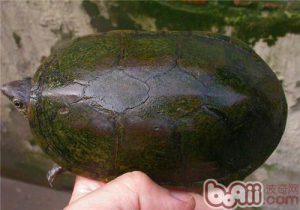
Oaxaca Mud Turtle
The Oaxaca Mud Turtle (Kinosternon oaxacae) is a type of mud turtle that aestivates in summer, burying itself in mud to cool down—hence its name. Living in slow-moving rivers, it hunts fish and shrimp in the water and is an omnivore that leans carnivorous.

Travancore Tortoise
The Travancore Tortoise (Indotestudo travancorica) closely resembles the Burmese Star Tortoise in appearance and shares its preference for a dry habitat. Though sometimes considered a subspecies of the Burmese tortoise, this has never been confirmed; it is a shy, inactive tortoise suited to simple husbandry.

Chilean Rose Tarantula
A docile, attractive beginner tarantula from Chile - note this is an arachnid, not a reptile, but shares the terrarium hobby.

Canine and Feline Renal Adenoma and Kidney Tumors
Kidney tumors in dogs and cats may be primary growths such as renal adenoma or nephroblastoma, or spread from cancers elsewhere — metastatic kidney tumors are actually more common. Signs are vague but include weight loss, abdominal swelling, and changes in urination.

Canine and Feline Diabetes Insipidus
Diabetes insipidus is a disorder of water balance in which the body cannot concentrate urine, causing massive drinking and urination. It results from low antidiuretic hormone or unresponsive kidneys, and is managed by treating the cause and replacing the hormone.

Canine and Feline Hypoadrenocorticism (Addison’s Disease)
Hypoadrenocorticism, or Addison's disease, occurs when the adrenal glands fail to produce enough cortisol and aldosterone. It causes vague signs such as lethargy, vomiting, diarrhea, and poor appetite, and acute crises can be life-threatening without prompt treatment.

Canine and Feline Trichomoniasis: Symptoms, Treatment, and Prevention
Trichomoniasis is a protozoal parasite infection of dogs and cats, most often caused by Pentatrichomonas, that produces stubborn, mucoid, sometimes bloody diarrhea. It spreads through contaminated food and water and is managed with antiprotozoal therapy plus supportive care.

Canine and Feline Cryptosporidiosis: Symptoms, Treatment, and Prevention
Cryptosporidiosis is a protozoal (coccidian) infection of dogs and cats that causes acute, watery diarrhea, vomiting, and abdominal discomfort. It is most severe in young, stressed, or immunocompromised animals and is zoonotic, so hygiene is essential.

Canine and Feline Giardiasis: Symptoms, Treatment, and Prevention
Giardiasis is caused by the flagellate Giardia duodenalis attached to the intestinal mucosa, reducing absorption and causing diarrhea and wasting, especially in puppies. It is treated with antiprotozoal drugs and rehydration.

Canine and Feline Strongyloidiasis: Symptoms, Treatment, and Prevention
Strongyloidiasis is caused by the threadworm Strongyloides stercoralis, infecting dogs, cats, foxes, humans, and other primates. It causes dermatitis, pneumonia, and enteritis in young animals and is treated with anthelmintics.