Search Results
410 results for “cat gut”

How to Tell If Your Dog Has a Fever
The most reliable sign of fever is body temperature: a puppy's normal range is about 38.5–39°C, best measured rectally. Watch also for rapid hot breathing, low energy, dry peeling nose, and poor appetite — then confirm with a thermometer.

When Should a Kitten Be Dewormed?
Kittens can be dewormed from about 2–3 months of age; internal and external deworming are separate steps. Always dose by weight and age—too much harms the cat, too little does nothing. Weak kittens should wait until 4 months, and pregnant cats only after the kittens are weaned.

Canine Parvo: How Long Until a Dog Is Out of Danger?
Canine parvovirus is fast and deadly, but a dog that survives the first critical days of treatment has a strong chance of recovery—roughly ten days of active care is the milestone owners watch. There is no single cure; vets combine immune support, gut protectants and fluids. Start treatment immediately.

How to Treat Canine Distemper
Canine distemper will not clear on its own and spreads easily, so isolate the dog and start treatment at once. Its hallmark is a fever that spikes, drops and returns. Care centers on a vet-prescribed supportive combination plus close temperature monitoring and fluids.
Can Dog Fungal Infection Be Cured?
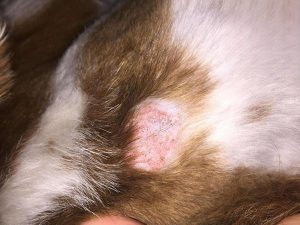
Yes — fungal infection (dog ringworm) is curable but stubborn, so treat at once to stop it spreading. Isolate, collar, disinfect with povidone-iodine, apply antifungal ointment and spray, and keep the environment clean.

Autumn Care Tips for Your Dog
Autumn means more parasites, bigger temperature swings, coat change, and easy chills. Stay on top of internal and external parasite control, add a warm blanket and balanced nutrition, and keep a probiotic handy for loose stools.
What to Do When Your Dog Has Ringworm on Its Face
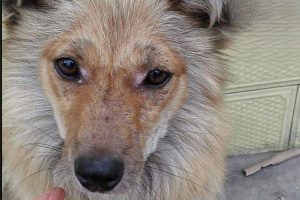
Ringworm on a dog's face causes hair loss, itching, bumps, scabs, and redness, and spreads to other pets — isolate and collar the dog first. Disinfect, clip and treat the spot with antifungal spray and ointment, and add nutrition and parasite control.

What to Do When a One-Month-Old Kitten Gets Ringworm
Ringworm in a one-month-old kitten is unusual and worrying — it's usually fungal or allergic, and weak young kittens catch it easily from a contaminated home. Isolate, clean, treat with antifungal spray and ointment, and support healing with vitamin B.

What to Do When Switching Dog Food Causes Diarrhea
If a food change triggers diarrhea, stop the switch immediately — most cases come from an abrupt transition rather than the new food itself. A 7-day mix-in transition lets the gut adjust gradually and prevents the upset.

Simple Tips to Prevent Dog Diarrhea
Dog diarrhea is common, but most cases are preventable through steady feeding habits, routine vaccines and deworming, and basic gut support. This guide covers everyday diet management, preventive veterinary care, and simple at-home steps that keep your dog's stomach settled.
- « Previous
- 1
- …
- 39
- 40
- 41