Search Results
410 results for “cat gut”
Caring for a Cat With a Delicate Gut
A fragile gut shows as diarrhea, constipation, bad breath, vomiting, or poor appetite—if two or more last over three days, take it seriously. Causes range from stress (moving, sudden food changes, strangers) and seasonal chills to lactose intolerance, gastritis, and parasites or viruses (including panleukopenia). Respond by deworming if overdue, rushing to a vet if fever swings with sudden vomiting (could be distemper), or giving cat probiotics and a plain, additive-free, moist, nutrient-rich diet while boosting water and vitamins.

Can Cats Eat Rice?
Cats can eat rice, but only in small amounts, never as a staple. As obligate carnivores they need protein from meat, fish, and poultry, and lack enough amylase to handle large amounts of carbohydrates, so too much rice causes digestive trouble. If you offer rice, give a little plain steamed white rice with no oil, salt, or seasoning.
Boiled Meat, Raw Food, or Kibble: Feeding Your Cat or Dog Wisely
Many owners cook plain boiled meat for their pets, thinking it is cheaper or safer than commercial food. But domestication has shifted companion cats and dogs away from strict carnivores, and feeding only boiled meat long term risks calcium-phosphorus imbalance and kidney strain. This guide explains how to balance a home-cooked diet for dogs and cats, why boiled meat beats raw for most homes, and how commercial kibble fits in. The takeaway: boiled meat is fine, but only when fed as part of a balanced, well-planned diet.
Caring for Senior Cats and Dogs: A Stage-by-Stage Longevity Plan
Cats and dogs are considered senior at around age 7, when metabolism slows and organ function begins to decline. With staged, careful care, companion pets can live an average of 2–3 years longer. This guide breaks senior care into three phases—ages 7–9, 10–12, and 13 and up—covering diet adjustments, weight control, dental and joint support, stress avoidance, and a sensible checkup schedule. The goal is not expensive supplements but steady, calm, well-planned daily care.
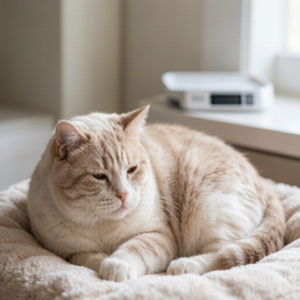
Can Obesity Cause Fatty Liver in Cats?
Overweight cats are at higher risk of fatty liver, because excess fat around the liver can move into it. Fat cats also more often have diabetes and pancreatitis, which can lead to fatty liver, and prolonged starvation is another common cause. Symptoms include anorexia, weight loss, vomiting, and jaundice, and severe cases can be fatal, so prevention matters.
Bad Breath in Dogs and Cats Is Not “Heat”—3 Types to Self-Check
When dogs or cats have bad breath, many owners assume “heat” and reach for cooling teas or herbs—but most pet halitosis is a disease signal, not a temperature issue. A rotten, fishy odor with red gums, tartar, hesitant eating, or drooling points to periodontal disease (over 70% of pets over 3 years); a strong urine or ammonia smell with extra drinking, extra urination, lethargy, and low appetite signals declining kidney function; and a sour, fermented odor with burping, acid reflux, worse on an empty stomach, and soft stool points to gut or liver trouble. Mild breath, teething at 3–6 months, or a meaty diet smell are normal. Severe or symptomatic breath warrants a vet visit—blood and organ checks—not “cooling” remedies.
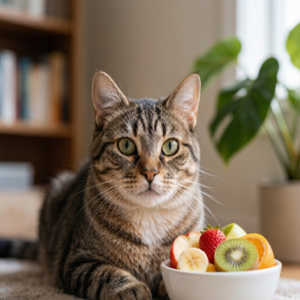
Which Fruits Are Safe and Healthy for Cats?
In moderation, fruits like watermelon, papaya, cantaloupe, apple, kiwi, strawberry, blueberry, and banana can benefit cats by adding vitamins, fiber, and water that aid digestion and help cats who drink little avoid urinary issues. But cats are carnivores whose core nutrition comes from meat protein, so keep fruit minimal to avoid soft stools or diarrhea. Always remove peel and seeds, and never offer toxic fruits such as grapes, raisins, persimmon, lemon, cherry, or avocado.
Does Bathing a Cat Replace Deworming?
A clean cat is not a parasite-free cat. Bathing only rinses away a few adult fleas or lice—their claws grip the hair root, so most adults stay put, and eggs and larvae are far too small to wash out. Ticks are worse: their mouthparts bury deep in the skin and need a tool to remove, not a rinse. Mites living under the skin or in the ear canal also survive a bath. And internal parasites—roundworm, hookworm, tapeworm, heartworm—live in the gut, blood, and heart, unrelated to how the coat looks. On top of that, cats should not be bathed often; frequent washing disrupts skin oils, dries the coat, and invites bacterial or fungal infection if not dried. This article explains why deworming is still essential, even for indoor cats, and a sensible schedule.
Why Are Cats Allergic to Grains?
Many cats are allergic to certain grains, and the reasons tie to genes and digestion. Grains are common fillers and cheap protein sources in low-cost cat food, packed with carbohydrates, but cats are carnivores whose digestive systems are poor at handling large amounts of carbs. Too many grains burden the gut and can trigger allergic reactions, and genetics also matter: each cat differs, with some rarely reacting and others reacting easily. Symptoms include vomiting, diarrhea, itch, and skin inflammation, so see a vet if you suspect a grain allergy. The fix is to remove grains from the diet by choosing high-quality meat-based food, such as chicken or beef recipes, and avoiding wheat or corn, while skipping poor-quality meats with many additives. Add gut-friendly probiotics and fiber, and if the trigger is unclear or your cat is prone to reactions, use a hypoallergenic diet built on easily digested proteins with no grains or additives. Food allergies cannot be cured, so careful lifelong diet management is the key to keeping reactions away.

Cat Rectal Prolapse: Causes and Treatment
A rectal prolapse, where rectal tissue pushes out past the anus, is usually tied to long-term diarrhea, constipation, or intussusception, and it will not heal on its own. The direct cause is rising abdominal pressure. If your cat prolapses, treat any underlying constipation or diarrhea first, then seek veterinary care so the tissue does not become inflamed, infected, or necrotic. In mild cases you may gently rinse and replace the tissue at home, but persistent or severe prolapse needs prompt surgery.