Search Results
484 results for “cat gastroenteritis”
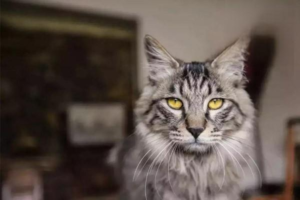
Why and How Cats Develop Cheek Jowls
Cat 'cheek jowls' means fat on the cheeks — like middle-age weight gain in people. While that looks less attractive in humans, it makes cats look cute.

Cat Acute Diarrhea: Symptoms and Treatment
Diarrhea is caused by excess water in the stool and is an important sign of intestinal disease in cats. It can affect your cat through severe fluid loss, leading to dehydration, electrolyte imbalance or acid-base disturbance.
Summer Cat Care: Mistakes and Precautions
Cats do feel the heat and cannot cool themselves through skin sweat glands. Avoid shaving their coat or using enclosed bubble carriers, keep air flowing, offer plenty of water, and guard against food spoilage and parasites.

Feline Hepatitis and Gastroenteritis: Symptoms and Treatment
Feline hepatitis and feline gastroenteritis are different conditions. Feline hepatitis is caused by viruses, parasites, immune-mediated factors and the like, and may involve the bile ducts, forming cholangiohepatitis. Gastroenteritis, on the other hand, is inflammation of the gastrointestinal tract that leads to vomiting and diarrhea, mainly caused by Escherichia coli and Campylobacter infections; other causes include stress, overeating, and sudden temperature changes.
Why Is Your Cat Vomiting? Common Causes
Occasional vomiting may be normal, but frequent vomiting needs attention. Causes include hairballs, parasites, food issues, and urinary blockage — judge by the vomit, frequency, and energy level.

Cat Loss of Appetite, Weight Loss, and Lethargy: Causes and Treatment
There are many reasons a cat may eat less, lose weight, and sleep more. Watch the symptoms closely - an underlying illness is often the cause. Here are the common causes and how to treat them.

Causes and Symptoms of Acute Hepatitis in Cats
Acute hepatitis in cats shows as vomiting, fever, poor appetite, weight loss, and yellowed skin (jaundice). Causes range from viruses and bacteria to heart failure, toxins, and drug allergies. Here is a detailed look.
Can Cats Drink Raw (Untreated) Water? The Risks and Consequences
Cats should never be given raw, untreated water such as tap, well, river, or stream water. Untreated water carries bacteria, fungi, excess minerals, chlorine, and debris that can cause gastroenteritis, kidney strain, urinary stones, and parasite infection — boiling the water first removes most of these risks.
What to Do If an Anemic Cat Won’t Eat or Drink
A severely anemic cat that refuses food and water needs immediate veterinary care: fluid therapy and, when critical, a blood transfusion, because prolonged starvation leads to dehydration and worsening anemia. Treatment targets the underlying cause, restores blood-building nutrients, and may require iron, vitamin B12, and folate supplementation.
What to Do When a Cat Vomits After Eating Cat Litter
Vomiting after a cat eats litter is usually acute gastroenteritis from gut irritation. Soothe the gut, fix the litter-eating habit, and see a vet if vomiting continues—supportive home care includes short fasting and small, frequent bland meals.