Search Results
484 results for “cat gastroenteritis”
What Is Inflammatory Bowel Disease in Cats?
Feline IBD is a chronic gut disease where inflammatory cells thicken the intestinal wall and block nutrient uptake, showing as persistent vomiting and diarrhea that won't resolve. Food allergy is the top trigger, with bacteria, parasites, and stress as contributors — so pinpoint and drop the offending food.

Pet Vomiting (Part 3): Vomiting from Internal Parasites and Toxicity in Dogs and Cats
Internal parasites living in a dog or cat's gut irritate the intestinal lining and trigger vomiting, sometimes expelling visible worms. Food poisoning causes far more violent vomiting along with seizures and drooling, and demands immediate induced vomiting and gastric lavage. Routine deworming and keeping toxic foods — onions, grapes, chocolate, macadamia nuts — out of reach are the best defenses.

Why Your Cat Won’t Eat, Looks Lethargic, and Is Losing Weight
A cat that stops eating grows weak and thins fast, and prolonged refusal can be fatal, so find the cause. Look to gut disease, viral infection like panleukopenia or rhinotracheitis, parasites or hairballs, or unspent heat, and see a vet when unsure.

Treating E. coli Infection in Dogs and Cats
Colibacillosis is an acute intestinal infection of young dogs and cats caused by pathogenic E. coli, marked by fever, vomiting, and foul-smelling diarrhea that can turn fatal. It mimics many other diseases (distemper, parvovirus, salmonellosis), so a lab test is needed for diagnosis; treatment is antibiotics chosen by sensitivity testing plus strict hygiene and early colostrum.
Causes and Treatment of Clear Mucus in Cat Stool
Clear mucus in a cat's stool can mean gut trouble, intestinal parasites, or panleukopenia, and ignoring it can lead to worse illness. Parasites from raw food and missed deworming need a dewormer or fecal test; diet-driven gastroenteritis calls for a short fast, then cat-specific anti-inflammatories and probiotics; and yellow-green vomit with repeated fever points to panleukopenia, which needs a vet at once.
Why Cats Foam at the Mouth and How to Treat It
Foaming at the mouth in cats often comes from excess stomach acid, unsuitable or excessive food, poisoning (lilies, acetaminophen), or stress. Treatment depends on the cause — fasting and antibiotics for gastritis, smaller fiber-rich meals for food issues, immediate vet care for poisoning, and a gentle transition for stress.
Can Cats Get a Fever?
Yes, cats do get fevers, though their naturally higher body temperature makes it hard to spot. Watch for a dry, hot nose, warm ears and tail tip, lethargy, and heavy drinking, and confirm with a rectal thermometer reading.
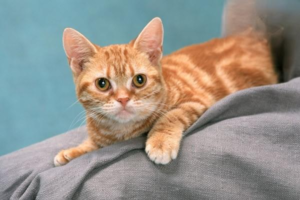
Why Your Cat Throws Up Undigested Kibble
When a healthy cat on a hairball regimen vomits only its food, the usual culprits are bad or abruptly changed kibble, overeating, eating too fast, or an underlying gut problem. Switch foods gradually over a week, portion the meals, slow the eating with a puzzle bowl, and see a vet if lethargy or diarrhea joins the vomiting.
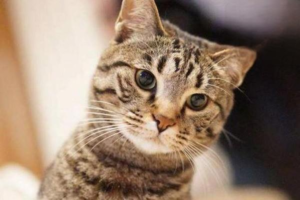
Why Is Your Cat Having Diarrhea and How to Treat It
Before reaching for medicine, rule out simple causes — a dirty water bowl, spoiled food, a chilly room (keep it near 26°C), a too-fast food switch, a grain allergy, or stress. If diarrhea persists despite a cat probiotic, suspect parasites and deworm; if it worsens within a day or two with vomiting, it could be something serious like panleukopenia and needs a vet immediately.
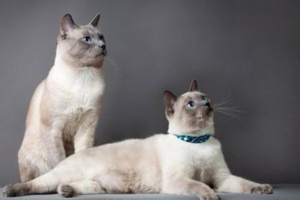
Why Does a Cat Get Diarrhea After a Bath?
Post-bath diarrhea usually comes from poor digestion, stress, or getting chilled. Mild cases respond to probiotics and a calm, warm space; if it turns watery and frequent, see a vet to rule out gastroenteritis, parasites, or panleukopenia—especially in unvaccinated cats, where dehydration and low blood sugar can be fatal.