Search Results
26 results for “cat fountain”
Cat Won’t Drink in Summer? 8 Tips to Get It Drinking on Its Own
A healthy adult cat needs about 50-60 ml of water per kg of body weight each day, but dry kibble is only around 5-10% moisture, so summer drinking matters even more. Cats sweat only through their paw pads and ears and cool poorly, so low intake risks heat stress. Practical fixes: use a shallow ceramic or glass bowl (deep bowls annoy whiskers), offer a filtered running-water fountain, keep bowls over 1.5 m from the litter box and place several around the home, rehydrate freeze-dried food, serve wet food in the evening, and offer unsalted broth a few times a week. Senior, obese, and chronically ill cats need closer monitoring for dehydration.
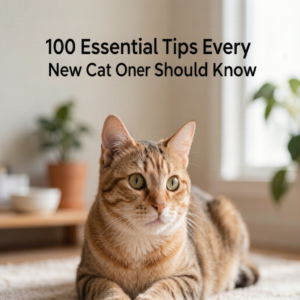
100 Essential Tips Every New Cat Owner Should Know
Bringing home a first kitten is exciting but daunting, and poor care can hurt both of you. These 100 essentials cover diet (life-stage food, toxic grapes/chocolate/onion/garlic, no bones or raw meat, fresh water), daily care (brushing, nail and ear cleaning, litter hygiene, n+1 boxes), health (vaccines at 8–12 weeks, deworming, normal temperature 38–39.2°C, spay/neuter, no human meds), behavior (slow blinks, tail talk, no punishment), and home safety (screens, hiding wires, toxic plants, no smoke). Read them once and you'll share a calmer, healthier life with your cat.

Male Cat Cystitis with Pink Urine: A Recovery Case
A 4-year-old male cat had on-and-off pink, blood-tinged urine—classic of cystitis, urethritis, or crystal irritation of the lower urinary tract, which causes frequent, scanty, painful urination. A diuretic to flush the tract plus an antibiotic for infection, with plenty of water and clean litter, brought normal urine color in about three days. Recurring pink urine, though, deserves a vet check for stones.
Why Does My Cat Keep Pawing at the Water Bowl?
Cats are intelligent, clean-loving animals, and pawing at the water bowl usually signals something specific rather than random mischief. The behavior may mean your cat finds the water unclean, simply enjoys playing with water, feels bored or unhappy, or is trying to get your attention. Because drinking enough water is vital to feline urinary health, it is worth addressing. Keep the bowl clean and fresh, consider a circulating fountain to encourage drinking and curb the pawing, and provide engaging toys to burn off excess energy. Paying attention to your cat's mood and offering companionship also reduces attention-seeking behavior. Understanding the cause is the first step, so you can respond with the right fix instead of scolding.
How to Tell If Your Cat Is Dehydrated
An adult cat needs about 150 ml of water a day, but cats dislike drinking, so many drift into chronic dehydration and later urinary trouble. Two home checks: stool - if it comes out in hard, dry pellets the cat is already short on water (the body pulls moisture from waste); and urine clumps - an adult's clump should be about a third of a palm, once or twice a day, so a ping-pong-sized clump is a red flag. Remember, you judge by what goes out, not what goes in. Fix it with a fountain cats prefer and wet food or rehydrated freeze-dried meals.
What to Do When Your Cat Won’t Drink
Cats naturally drink little, inherited from desert ancestors - but too little causes trouble. Early signs are concentrated, yellow urine; over time come cystitis, bladder stones and kidney stones. Need: about 40-60 ml per kg per day, or roughly 1 ml per calorie eaten. Remember food counts: dry kibble is ~10% water, cans ~80%, so a cat eating 300 g kibble and 100 g can already gets 110 ml from food and needs only ~90 ml more. Boost intake with multiple bowls changed daily, a fountain cats prefer, and weekly wet food - the most direct fix.
Cats Evolved in Deserts But Still Need Water
Wild cats get 70-80% of their water from prey, so a dry-kibble home cat that also refuses water faces real danger. A cat needs about 40-60 ml per kg of body weight daily (a 4 kg cat: 160-240 ml). Low intake concentrates urine and triggers a chain of trouble: bladder and urinary disease, kidney disease, cystitis, even life-threatening urethral blockage. Check dehydration by skin elasticity (slow rebound) or gums (sticky when dry). Boost intake with wet food, raw meat if skilled, a fountain for moving water, or a syringe; never give tap water - use cooled boiled or purified to avoid parasites.
Handy Cat Gear Owners Love
Some simple items make cat life smoother for both of you. A cat tent beats a heavy cage for space and cleaning, a basket or crate often beats a bought bed, a flowing-water fountain encourages drinking, and a spray bottle curbs kitten mischief without harm. Here are a few favorites worth knowing.
Four Winter Diet Tips to Keep Cats Healthy
Cold weather raises a cat's energy needs and weakens its natural defenses, making winter a season of extra health risks. Supporting your cat's immunity through diet is one of the simplest ways to help it sail through the cold months. From adding more meat to the kibble to topping up vitamins, calcium, and warm water, here are four practical feeding adjustments every owner should know for a healthy, comfortable winter.
Leaving Your Cat Home Alone
For a short absence, leave extra food and water, an extra litter box, and a comfortable temperature, and lock away danger zones. For more than two days, arrange a sitter, pet-store visit, or boarding. Return gently, as a cat may grow wary after a stay away.