Search Results
154 results for “cat food transition”

How to Correct a Picky-Eating Cat
When a cat eats a little then plays, only eats when extremely hungry, or only eats treats—whatever the form, all of these count as picky-eating behavior.

Common Causes of Vomiting in Cats
There are many reasons a cat may vomit—conditions such as hairballs, parasites, viral infections, and physiological reactions can all cause vomiting. Below we explain in detail what can lead to vomiting in cats.
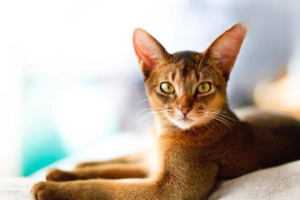
Cat Care Guide for Autumn and Winter Shedding Season
Today let us talk about cat care tips for the autumn-winter transition.

A New Owner’s Guide to Preparing for a Cat
Bringing a kitten home is joyful but troublesome early, so learn and prepare before serving your cat. Cats are sensitive; the author suggests a kitten over two months for beginners - one eating kibble and eliminating alone. Found/adopted newborns need experienced owners or pro advice.
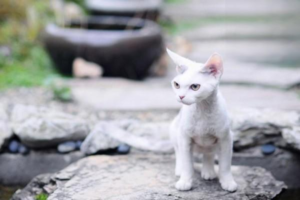
Don’t Starve a Picky Cat for Days — It Can Cause Fatty Liver
As is well known, a cat's taste buds are sensitive, so they are picky eaters. When owners suddenly switch to new food or buy new treats on a whim, the cat may simply refuse them.

How to Prevent Seasonal Diseases in Cats
Whenever the seasons change, cats of different age groups face different health risks depending on their condition, medical history, and home environment. Below, we distinguish between young cats and senior cats and introduce the precautions to keep in mind during seasonal transitions.

Cat Hairballs: Symptoms and Treatment
As a cat parent, you've likely seen your cat vomit a hairball — usually a long tubular mass of hair, quite distressing for your cat.

Causes and Management of Diarrhea in Cats
Diarrhea in cats at home is something most owners have experienced.
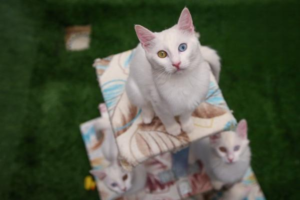
Cat Vomiting: What to Do and Why
If the cat just vomits, start by observing the vomit to analyze the cause and decide if a vet visit is truly needed. Don't give human medicine to animals before consulting a vet.

How to Support a Cat with a Sensitive Stomach
Some cats have notoriously delicate digestions—the so-called glass stomach—prone to soft stools, diarrhea, and vomiting. The key to managing it is diet. Choose a limited-ingredient, single-protein hypoallergenic food, feed small meals several times a day, and always transition new food over seven days. Pet-specific probiotics (mixed into water below 40°C so the live cultures survive) help rebalance gut flora, while a calm, low-stress home prevents flare-ups. If symptoms persist or worsen, a vet check and possibly a prescription gastrointestinal diet are the right next steps.