Search Results
154 results for “cat food transition”

Do Cats Have a Food-Transition Period?
Each cat food has different nutrition; some cats get diarrhea, vomiting, or refuse food from sudden switches, even enteritis — because the gut can't adapt at once.
My Two-Month-Old Cat Was Brought Home the Day Before Yesterday, Fed Cat Food Directly Without Transition, Now Has Yellow Stools and Low Energy. Can I Give It Probiotics, and Should I Withhold Food?
Cat diarrhea is usually caused by parasites, bacterial enteritis, food-change indigestion, or panleukopenia. If the cat's energy and appetite are normal, the cause is likely indigestion from the new environment or food, and short fasting with anti-diarrhea and anti-inflammatory medication may help.
Can a cat die from switching food without a transition?
Switching food abruptly usually will not kill a cat, but it can upset the stomach, causing vomiting, diarrhea, or stress. Mix old and new food gradually, and use probiotics if soft stools appear.

Do You Have to Transition When Switching Cat Food?
To be safe, always transition cat food gradually. A cat's simple diet builds gut flora matched to the old recipe; a sudden new formula can overwhelm it, causing poor digestion and stomach upset. Timid cats may also stress — refusing food, hiding, even accidents. The '7-day method' works best: 80/20 for days 1–2, 60/40 for 3–4, 40/60 for 5–6, 80% new by day 7, fully switched on day 8. Extend to 10–14 days for kittens, seniors, or sensitive stomachs. Skip the transition only if your cat has an iron stomach or the old food has run out — then add probiotics. Stop and revert at any sign of soft stool or vomiting.

What to Watch For When Bringing a New Cat Home
A new cat finds a fresh home stressful, so give it a quiet space, food and water, and time to hide — once it uses the litter box it has relaxed. Hold off on outings, baths, or forced cuddles, feed only a transition diet with a little probiotic for the first week, skip cow's or goat's milk (lactose intolerance), and go easy on canned food; when it finally rolls over and purrs, you have earned its trust.

Why Cats Foam at the Mouth and How to Treat It
Foaming at the mouth in cats often comes from excess stomach acid, unsuitable or excessive food, poisoning (lilies, acetaminophen), or stress. Treatment depends on the cause — fasting and antibiotics for gastritis, smaller fiber-rich meals for food issues, immediate vet care for poisoning, and a gentle transition for stress.

Common Mistakes in Feeding a Cat
New cat owners fall into the same traps: treats as a main meal, raw fish with parasites and bones, abrupt food switches, too much liver, and mixing fresh food with stale leftovers. Each one strains a cat's fragile gut—or worse—so learn the habits before they cost your cat its health.

Can Cats Eat Eggs
Yes — cats can eat eggs in moderation (no more than about 10% of the diet, a couple of times a week). They're a digestible source of protein, taurine, and vitamins, but never feed them raw, and skip them for obese cats, egg-allergic cats, or kittens not yet on solids.
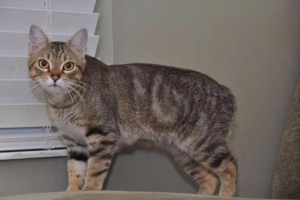
Feeding a Pregnant Cat: Diet Before, During, and After Birth
A pregnant queen's needs shift hard — her intake climbs to 1.5–2× normal by delivery, so transition her to calorie-dense kitten food over seven days and keep calcium steady. After birth she loses about 40% of the pregnancy weight gain and needs energy-rich, calcium-supplemented food, with free feeding while the litter is large.

Caring for a Pregnant Cat: What Owners Should Do
A newly pregnant queen needs little beyond her normal routine and good nutrition; keep her active but avoid jumps in the final two weeks, and transition her to kitten food as her belly grows. About a week before delivery, set up a private, safe birthing space with a low-sided nest, nearby food and water, and a prepared breeding kit so you're ready for anything.