Search Results
42 results for “cat food storage”
How does a cat show it is hungry?
A hungry cat meows, circles you, and head-butts, or searches for food by memory. Feed on a schedule, or use a timed feeder if busy.

Why Is My Cat Dry-Heaving but Not Vomiting?
Dry heaving can come from hairballs, a throat or gut blockage, stomach illness, liver disease, food allergy, or parasites. An occasional gag may be minor, but frequent or lasting heaves need a vet; give hairball paste if fur is in the vomit.
Meet the Siamese Cat: A 3-Minute Guide
The Siamese is an ancient palace cat from 14th-century Thailand (then Siam), weighing 8–14 lb for males and 6–10 lb for females, with pointed colors like seal, blue, lilac, chocolate, red, and cream. Its signature trait is temperature-sensitive fur: tyrosinase works faster when cold, so winter deepens the coat and age darkens it. Siamese are dog-like — clingy, energetic, curious, and talkative — and adapt well, making them a good choice for first-time owners.

What to Feed a Cat with Poor Liver Function (and What to Avoid)
When a cat's liver is struggling, feed low-burden, high-nutrition food: lean, low-copper proteins (chicken or duck breast), omega-3-rich fish (salmon, cod, sardine), and vitamin-packed vegetables (broccoli, carrot, spinach, pumpkin, blueberry) that aid cell repair. Veterinary liver-prescription diets and a milk-thistle or moringa liver supplement add targeted support. Avoid copper-heavy foods (organ meat, shellfish), high-fat and fried items, sugary or salty treats, and fatty snack packets. Feed small, frequent meals, keep water available, and transition foods gradually. Diet alone is supportive—pair it with a vet's diagnosis and treatment plan.
How to Tell If Your Cat Is Full?
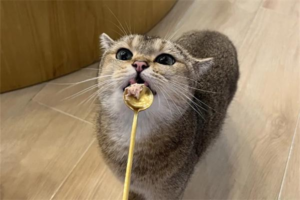
Many cat owners worry their pet is still hungry and keep topping up the bowl, but overfeeding causes indigestion and obesity. To judge whether a cat has eaten enough, watch its post-meal behavior: full cats groom themselves, leave the feeding area, and settle in a sunny, comfortable spot to rest, while hungry cats linger near the food. In multi-cat homes, satisfied cats may even groom each other. Free-fed cats show weaker cues because constant access lowers food excitement. Note that two behaviors are NOT signs of hunger: guarding the food storage (common in newly arrived, unsettled cats) and showing interest in your own meal (an opportunistic scavenging instinct). Control daily portions by age, health, and appetite to keep your cat at a healthy weight.

What to Do When Your Cat Is Overweight
Many owners find chubby cats adorable, but one extra pound on a cat equals roughly a dozen on a human, and obesity brings real health costs. Cats get fat for clear reasons: modern diets high in starch and energy, free-feeding habits, and neutering that slows metabolism. The dangers include inflammation, heart and lung strain, joint problems and diabetes - even a shorter life. The key to weight loss is not exercise but diet: keep protein high while cutting calories, feed measured timed meals, and stay consistent. Do your homework before putting your cat on a diet.
What Exactly Is Freeze-Dried Cat Food?
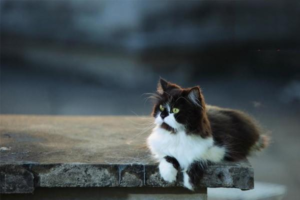
Freeze-dried (FD) food is made by freezing ingredients below -30°C and drying them under vacuum so water sublimates, keeping nutrition and shape largely intact for long storage. Benefits: minimal nutrient loss, unchanged appearance, long shelf life (~10 months), and good rehydration and palatability. It comes as staple or treat FD, fed dry, rehydrated, or mixed with other food. Watch the pitfalls—substandard 'FD' that's really air-dried, and bacterial overload—and choose reputable factory products, quality meat, sensible pricing, opaque sealed packaging, and irradiation sterilization.

Recipe: Chicken Liver Powder Cat Food Topper
Chicken liver powder is a natural topper that makes homemade cat meals more appealing. Slice 500 g of fresh chicken liver and dehydrate it at 68 °C for about ten hours (use a mesh silicone mat for the first few hours), let it cool, then grind it into a fine powder. Store it in a sealed jar in a cool, dry place and stir about one teaspoon (5–10 g) into meals each day. Liver should be only around 5% of a cat's diet, so a little goes a long way.
Recipe: Homemade Chicken Jerky Cat Treats
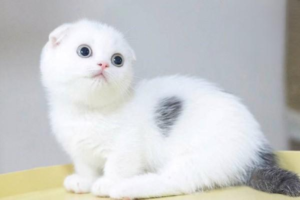
Dried chicken jerky is a great cat treat, especially for cats with tartar, yellow or black teeth, bad breath, or frequent mouth problems — it cleans teeth remarkably well. Slice chicken breast into strips of different widths for different purposes, dry them in a dehydrator for over six hours, and store in a sealed container. A cat may gag briefly if it eats too fast; that is normal. Suitable for cats over three months old.
Foods That Support Your Dog’s Liver
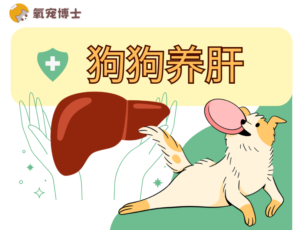
The liver filters toxins, stores nutrients, and makes bile, yet it stays silent until heavily damaged—so daily support matters. Quality protein, cruciferous vegetables, and berries aid detoxification, while milk thistle, dandelion root, and omega-3s protect cells. Just as vital is what to skip: fatty foods, toxic items like chocolate, onion, and grapes, and human medicines that strain or poison the liver. Keep water flowing and weight healthy.