Search Results
582 results for “cat flu”
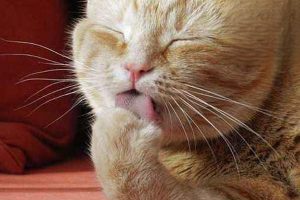
Cat Vomiting Yellow Fluid Several Times a Day: What to Do
Vomiting yellow fluid multiple times a day is not normal and can stem from parasites, infection, empty-stomach acid, gut disease or something eaten. Hair in the vomit points to a hairball. Frequent vomiting dehydrates fast, so identify the cause and get veterinary help if it persists.

Why Do Cats Vomit When They Smell Certain Odors?
Cats vomit at some smells because their sense of smell is extremely acute—over 200 million receptors feed a vomeronasal organ that reacts sharply to scents we find pleasant, like perfume or citrus. Vomiting can also stem from hairballs, overeating, an empty stomach, food allergies, or digestive disease.

Uterine Fluid Buildup in Dogs: Symptoms and Treatment
Uterine fluid buildup (hydrometra) is a serious condition, most common in medium and large breeds, where fluid collects in the womb and swells it—sometimes life-threatening. Signs include poor appetite, lethargy, a swollen abdomen, and abnormal vaginal bleeding. If you notice these, see a vet promptly. Treatment is either conservative (fluids and medication to clear the fluid) for mild cases, or surgery—an ovariohysterectomy—for severe ones, which is more thorough. Spaying prevents the disease entirely, and good hygiene lowers the risk.
What does a cat’s stress reaction mean?
Cat stress is the body's response to fright: initial tension followed by an immunity drop that can cause serious illness. Avoid frightening cats and comfort them through changes.

Why Cats Suddenly Lose Their Appetite
A sudden loss of appetite can come from mild causes, weather, heat, stress, or fussy eating, or from illness such as mouth pain, digestive trouble, parasites, or systemic disease. Find the cause first: treat oral pain with pet anti-inflammatories and oral spray, settle the gut with probiotics, and deworm if parasites are to blame.

Why Does a Male Cat Lick His Genitals?
A male cat may lick his genitals to clean himself, relieve stress, during mating season, or because of illness or infection. Grooming or seasonal behavior is usually harmless as long as the area stays clean, but if licking comes with other symptoms such as trouble urinating, it likely signals a medical problem that needs a vet.
My cat had loose stools after eating thawed canned food and is now lethargic with no appetite
Sudden canned-food change can cause gastroenteritis; fast briefly, use probiotics and anti-diarrhea meds, and see a vet if it worsens.
What disease is FHV in cats?
FHV stands for feline herpesvirus — the pathogen of cat flu (feline rhinotracheitis). Many cats carry it without symptoms; it flares when immunity drops and is highly contagious.
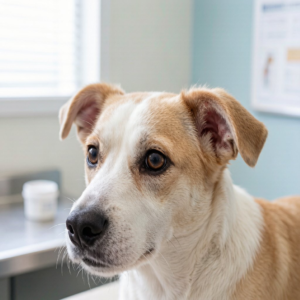
Cat Ear Mites vs Ear Wax: How to Tell and Treat
Ear mites and ear wax are different problems that look alike, so owners often mix them up and delay treatment. Ear mites are a parasitic infection causing intense itching, black or coffee-colored debris, and inner-ear inflammation. Normal ear wax is pale yellow or brown, scant, and does not itch. If mites are present, clean the ears with a flushing solution, apply a miticide, and treat the cat for external parasites. Use an Elizabethan collar during care, and isolate in multi-cat homes because mites spread easily.
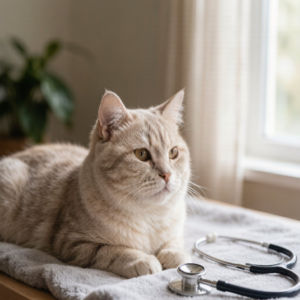
When Is the Best Time for a Cat to Develop Fuller Cheeks
Whether a cat develops those rounded, full cheeks (often called "face fluff") depends mostly on sex, genetics, and breed. Female cats rarely fill out this way; it is usually intact male cats that do. Breeds such as the British Shorthair, American Shorthair, Exotic Shorthair, Persian, Chinchilla, and orange tabby are naturally prone to it, while hairless cats, Devon Rex, Russian Blue, Siamese, Oriental, and calico domestic cats tend to stay slender-faced. Most male cats begin filling out between six and eight months of age, and a son of a full-cheeked father is more likely to follow suit. Good nutrition during this window makes the difference.