Search Results
571 results for “cat flu”
Can Cat Flu Leave Lasting Effects After Recovery?
Feline rhinotracheitis (cat flu), caused by feline herpesvirus FHV-1, cannot be cured—the virus hides for life in the trigeminal ganglion and can reactivate whenever the cat is stressed, the season changes, or immunity dips. Most cats recover and live normally, but some are left with mild, manageable effects: a sensitive nose that drips in cold or dusty air, heavier tear staining from narrowed tear ducts, or—in high-risk cases—repeated flare-ups that can progress to chronic bronchitis or pneumonia. Good care (warm stable surroundings, humidity control, stress avoidance, balanced nutrition with lysine and vitamins, and regular vaccines) keeps recurrence rare. This article explains the sequelae, why only some cats get them, and how to minimize repeat episodes.
Is Feline Herpesvirus the Same as Cat Flu?
Many owners ask whether feline herpesvirus and cat flu are the same thing. The short answer: herpesvirus is the most common cause of cat flu, but cat flu is not limited to it. Calicivirus, chlamydia, mycoplasma and Bordetella can all produce the syndrome, so 'cat flu' is a group of diseases rather than a single virus. This article clarifies the relationship, how each agent spreads, and how to disinfect your home - bleach at 1:32 dilution and 75% ethanol are effective against these pathogens.
What Causes Feline Rhinotracheitis (Cat Flu)?
Feline rhinotracheitis, commonly called cat flu, is one of the most frequent infectious diseases in cats. A cat can look healthy at the breeder yet sneeze, runny nose and weepy eyes days after coming home - because the culprit herpesvirus lies dormant in nerve cells and flares when environment or nutrition changes. Importantly, cat flu is not caused only by herpesvirus; calicivirus, chlamydia, mycoplasma and Bordetella are also agents. This article explains what cat flu is, its varied causes, and how to tell the agents apart by symptoms - always confirm with a vet.
How to Tell If Your Cat Has Feline Rhinotracheitis (Cat Flu)
Cat flu and a common cold look alike, which leaves many owners unsure whether their cat has feline rhinotracheitis — an infection caused by the feline herpesvirus. The reliable approach is twofold: watch the symptoms and confirm with a test. Early signs are subtle — sneezing, a runny nose, watery eyes, low appetite, no fever — while the active phase brings a high temperature near 40°C, persistent coughing and sneezing, and thick eye and nose discharge. A test strip or a PCR check at the clinic confirms it, but the result must be read alongside the symptoms.
How is feline rhinotracheitis (cat flu) in kittens treated?
Cat flu is dangerous in kittens and can be fatal untreated. Diagnose via symptoms plus PCR. Treat with interferon/antiviral proteins and amoxicillin or doxycycline to prevent bacterial infection; add lysine to curb viral replication and boost immunity; disinfect the environment thoroughly.
Is feline rhinotracheitis (cat flu) contagious?
Feline rhinotracheitis spreads cat-to-cat but not to people. Here is how and how to prevent it.

Cat Cold vs. Feline Herpesvirus (Cat Flu): What’s the Difference?
Feline herpesvirus (cat flu / infectious rhinotracheitis) is a serious, potentially fatal respiratory disease with fever, eye inflammation, and high mortality in kittens, while an ordinary cat cold causes mild sneezing and clear discharge. Vaccination and lysine supplementation help prevent it.
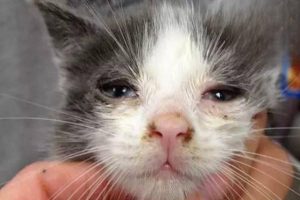
What to Do When Your Cat Has Cat Flu
Cat flu (feline rhinotracheitis) is often mistaken for a cold but is a viral upper-respiratory infection that can kill if ignored, especially in kittens. Antiviral and lysine support plus a clean, low-dust environment are the main care steps.

Mild Cat Cold vs. Feline Herpesvirus (Cat Flu)
A sneezing, runny-nosed kitten usually has either a mild cold or feline herpesvirus (cat flu). The mild version clears with warmth and rest; the viral form brings lethargy, poor appetite, and eye discharge and needs isolation plus veterinary care. Telling them apart decides how quickly your cat recovers.
Does Abdominal Fluid in Cats Always Mean FIP?
Fluid in a cat's abdomen, or ascites, is a sign—not a diagnosis. It can stem from liver or heart disease, kidney failure, malnutrition, or peritonitis caused by infection, viruses, or injury, and only one of those causes is feline infectious peritonitis (FIP). Because the symptom alone cannot confirm FIP, diagnosis needs bloodwork, imaging such as X-ray or ultrasound, and viral testing. If your cat shows a swollen belly, lethargy, fever, or breathing trouble, see a veterinarian promptly to find the real cause.