Search Results
78 results for “cat flea treatment”

Skin Disease in Collies and Other Herding Breeds: Why Medication Must Be Chosen Carefully
Collies and related herding breeds often carry an MDR1 gene mutation that prevents normal drug clearance, making them dangerously sensitive to certain parasiticides such as ivermectin. Skin problems are treated as in any dog, but parasite control and other medications must be chosen with a veterinarian to avoid toxicity.

Hair Loss (Alopecia) in Dogs and Cats: Symptoms, Causes, and Care
Hair loss in dogs and cats ranges from localized patches due to friction or harsh shampoos to generalized shedding from parasites, fungus, or endocrine disease such as hypothyroidism. Identifying the cause guides the right treatment.

Canine and Feline Seborrheic Dermatitis: Symptoms, Treatment, and Prevention
Seborrheic dermatitis is a disorder of skin lipid metabolism in dogs and cats, producing dry scales, greasy sebum buildup, or inflamed crusted skin. It may be primary (often hereditary) or secondary to parasites, infection, or endocrine disease such as hypothyroidism.

Canine and Feline Atopic (Allergic) Dermatitis: Symptoms, Treatment, and Prevention
Atopic dermatitis, also called allergic dermatitis, is an IgE-mediated skin hypersensitivity in dogs and cats, marked by intense itching, redness, and hair loss that often begins around the eyes, toes, and groin. Mild cases may resolve once the allergen is removed, while persistent cases need veterinary-directed anti-inflammatory therapy.
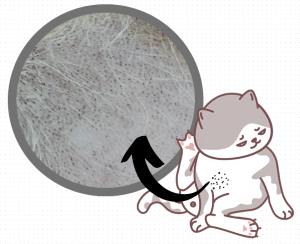
Black Dots on Your Cat’s Skin: Folliculitis, or ‘Black Chin’ and ‘Stud Tail’
Black dots on a cat's skin are usually the early sign of folliculitis, like blackheads, driven by excess sebum, blocked follicles, and bacterial infection. On the chin it is called black chin, and on the tail stud tail or oily tail, both managed with gentle localized cleaning and diet adjustments.

Lice Infestation in Dogs and Cats (Pediculosis): Symptoms, Treatment, and Prevention
Lice are external parasites that cling to the skin and coat of dogs and cats, causing itching, hair loss, and skin irritation, with heavy infestations leading to anemia and poor condition. They are species-specific and controlled with parasiticides plus environmental cleaning.

Canine and Feline Tapeworm Infection (Cestodiasis): Symptoms, Treatment, and Prevention
Tapeworm infection is caused by cestodes such as Dipylidium caninum and Taenia species residing in the small intestine of dogs and cats. Heavy infections cause poor condition and intestinal blockage, and are treated with antitapeworm drugs.

Canine and Feline Eperythrozoonosis (Hemotrophic Mycoplasmosis): Symptoms, Transmission, and Treatment
Eperythrozoonosis, also called hemotrophic mycoplasmosis, is a tick- and flea-borne infectious disease of dogs and cats marked by anemia and jaundice. It is treated with tetracycline-class antibiotics and supportive care.

Feline Hemobartonellosis (Feline Infectious Anemia): Symptoms, Treatment, and Prevention
Feline hemobartonellosis, also called feline infectious anemia, is a rickettsial disease caused by Mycoplasma haemofelis, marked by anemia and splenomegaly.
My cat licked flea medication a day ago and now has dilated pupils but no other symptoms—what should I do?
Dilated pupils after ingesting flea medication may indicate poisoning. If additional signs such as rapid breathing, tremors, or vomiting appear, seek emergency veterinary care immediately—IV fluids can help flush the drug out—since delay can cause permanent harm or death.