Search Results
77 results for “cat flea treatment”
What to Keep in Mind When Using Topical Flea and Tick Treatment on Cats
Cats can pick up external parasites at any time of year, so regular preventive treatment matters. Topical products come as sprays or spot-on drops, and their coverage depends on the active ingredient, so the right choice depends on your cat's lifestyle and the parasites it faces. Apply spots along the spine, dose by weight, avoid bathing for a few days, and use an Elizabethan collar to prevent licking. Kittens can start around two months old with monthly treatment; adults need it every one to three months, more often in warm seasons or for outdoor cats. Never use dog-only products containing permethrin on cats.

Flea Infestation in Dogs and Cats: Symptoms, Treatment, and Prevention
Fleas are blood-feeding insects that cause itchy dermatitis in dogs and cats and can transmit tapeworms and other diseases. Control requires treating the pet, the home, and all in-contact animals with veterinary-directed parasiticides.
What happens after my cat gets a topical flea and tick treatment?
After a topical parasite treatment, the active ingredient sinks into the skin and starts killing fleas, ticks, and mites; you may see dead parasites drop off, and any itchiness, redness, or hair loss from bites should ease. Some products can irritate the skin or cause a reaction, which is usually mild and self-resolving, but see a vet if it's severe.
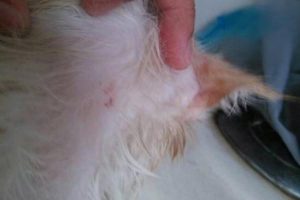
Removing Fleas from Your Cat: Bathing, Combing, and Home Treatments
Fleas thrive in a cat's thick coat and can cause itching, skin damage, and disease. Combing, bathing with a flea shampoo, medicated dips, and a clean environment are the most reliable ways to clear them. A consistent preventative routine keeps them from coming back.
Parasite Prevention for Cats: What Every Owner Should Know
Parasites threaten cats at every life stage and are easy to overlook. Fleas, lice, ticks, and mites cause itching, dermatitis, and anemia, while internal worms and mosquito-borne heartworm can be life-threatening—even for indoor cats. This guide explains the hidden risks, why a combined internal-and-external spot-on simplifies prevention, and how to apply one safely and with less stress. The proven ingredient pair imidacloprid plus moxidectin covers a broad range of parasites in a single monthly dose. Always confirm the right product with your veterinarian.
How Combined Spot-On Parasite Treatments Work
Parasite control is now routine for most pet owners, but choosing among crowded products is hard. Combined internal-and-external spot-on treatments have become the top pick because one monthly application covers many parasites. This guide explains why prevention matters, how a combined spot-on works through the ingredient pair imidacloprid plus moxidectin, and how to apply it safely and conveniently. Quality products are gentle, clearly labeled, and free of harsh additives—making professional-level prevention practical for ordinary homes. Always confirm the right product with a veterinarian.
How to Choose a Parasite Treatment for Cats and Dogs
Parasites are among the most common yet overlooked threats to pet health—even indoor cats can carry fleas, ear mites, or intestinal worms. With many combined internal-and-external products on the shelf, the key is choosing one that is safe, effective, and practical for year-round use. This guide explains why regular control matters, the four points that should drive any choice, the main active-ingredient classes owners will meet, and how to match a product to a pet's age, lifestyle, and parasite risk. Always confirm the right product with a veterinarian.
Choosing a Cat Dewormer: Why Combination Spot-Ons Suit Multi-Cat Homes
For mostly-indoor cats, a broad-spectrum, gentle combination spot-on is the most cost-effective and stress-free choice—and because most cats hate pills, a transdermal drop avoids force-feeding and the anxiety it causes, which is ideal for beginners and multi-cat households. Useful active types include imidacloprid-moxidectin (prevents a dozen-plus internal and external parasites and heartworm), fipronil-methoprene-eprinomectin-praziquantel (adds tapeworm and tick coverage for outdoor or raw-fed cats), and selamectin (very gentle from six weeks, pregnancy-friendly). In a multi-cat home the real work is operational: deworm all cats together, dose strictly by weight, use an Elizabethan collar and separation to stop licking, and avoid baths 48 hours around treatment. Above all, prevention beats treatment.
Best Parasite Treatments for Cat Ear Mites
Cat ear mites are a common parasite that causes intense itching and dark, waxy debris; left untreated they can lead to secondary bacterial infection, otitis media or interna, and hearing loss, while constant head-shaking and scratching risk ear hematomas. The key treatment is a parasiticide—but not every product kills ear mites, so checking the label’s spectrum matters. In general, spot-ons containing imidacloprid-moxidectin or selamectin work well at home, also covering scabies, demodex, fleas, lice, roundworms, hookworms, and preventing heartworm, with a gentle, stable profile. A typical plan is one dose every 21–28 days for three rounds to stop recurrence. Early on, a cleaner or miticide with compound nystatin helps soothe and disinfect the ear.
Choosing the Right Skin Spray for Cat Fungal and Bacterial Dermatitis
Cat skin problems such as ringworm, allergic dermatitis, and mite infestations share overlapping signs—hair loss, itching, scaling—which makes guessing the right treatment risky. Using a product aimed at only one pathogen often fails when the real cause is different, leading to repeated flare-ups and irritated skin. A well-designed pet skin spray should offer broad-spectrum activity against both fungi and bacteria, penetrate the skin surface to reach deeper infection, and support barrier repair so problems stop recurring. This guide explains the main types of cat skin disease, why a penetrating broad-spectrum formula works better, the safety and ingredient features to look for, and why a veterinary diagnosis should come before you reach for any spray.