Search Results
301 results for “cat fever”
What to Do When Your Cat Throws Up
Cat vomiting has many causes, so watch and reason before acting, and see a vet when needed. A single vomit of undigested food with normal energy is usually harmless. Bad or spoiled food can trigger it and may lead to gastroenteritis. Hairballs show as fur in the vomit and need a hairball remedy. True gastroenteritis brings repeated vomiting, soft stools, and severe thirst but no eating, risking dehydration and organ failure if ignored. Pancreatitis and serious viral infections also start with vomiting. For mild cases, probiotics and warm water may help; persistent vomiting needs a vet, where anti-emetic and anti-inflammatory shots work fast and forced feeding may be needed.
Why Your Cat Keeps Sneezing
An occasional sneeze is nothing, but frequent sneezing with discharge, eye issues, or coughing can hide something serious. Causes span environment, infection, and even facial structure, from dust and viruses to flat-faced-breed anatomy. This guide explains the reasons, when to see a vet, and how to care for and prevent sneezing fits.

Why Does My Cat Have Uneven Eye Size?
A cat with one eye larger than the other is common and can be genetic, but if it appears later it usually points to irritation, inflammation, feline herpes, injury, or heat. The right response depends on the cause, so judge by the situation. If a foreign object is the culprit, gently clearing it often restores the eye quickly. Eyelid inversion may need surgery, so see a veterinarian. Other causes include eye disease such as conjunctivitis or keratitis, feline rhinotracheitis with discharge and sneezing, trauma, and diet-related heat that responds to lighter food and more water.
Cat Upper Respiratory Infection: Symptoms and Treatment
A cat upper respiratory infection is inflammation of the mucous membranes of the upper airways. Affected cats typically cough, sneeze, and have a runny nose, sometimes with yellow nasal discharge, and a sudden drop in temperature, poor nutrition, or stress can trigger an outbreak. The usual culprits are viruses such as herpesvirus and calicivirus, bacteria such as Chlamydia, and fungi such as Cryptococcus. This article covers the common pathogens, how viral, bacterial, and fungal infections differ in their signs, what else can mimic these symptoms, and the supportive care and medications veterinarians rely on to treat them, from keeping the eyes and nose clear to antiviral, antibiotic, and antifungal therapy.
Preventing Common Spring Cat Diseases
Spring raises two risks. Urinary disease peaks in damp weather, driven by low exercise and water intake; watch for straining and act fast to avoid acute kidney failure. Colds strike with big day-night temperature swings; keep cats warm, dry, and sheltered from drafts, and seek care if they refuse food with a high fever.
Why Is a Cat’s Nose Always Wet?
A moist cat nose surprises many first-time owners, but the reason is simple: a cat sweats through only two spots on its body, and the nose is one of them. Drinking, washing, and leaving scent marks also add a little moisture. A wet nose helps with temperature control and scent marking. A dry nose is not automatically a sign of illness; it varies with season and indoor air. Only a persistently dry nose, or one that is overly wet from a runny nose, deserves attention.
How to Treat Cat Sinusitis
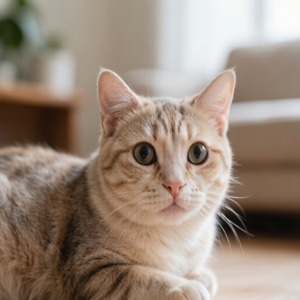
Cat sinusitis is a common respiratory disease that can cause difficult breathing, coughing, head discomfort, and discharge. Treatment centers on controlling the infection—antibiotics such as amoxicillin-clavulanate for bacterial cases, or antiviral drugs like interferon when a virus is involved—plus isolation to protect other cats. Severe cases may need nasal flushing, and surgery if pus builds up and blocks breathing. This article outlines the symptoms, treatments, and home care you should know.
Common Everyday Cat Illnesses (Part 2)
Five more common cat conditions: (1) Panleukopenia (feline distemper) — a fierce, contagious viral disease hitting gut and airways; fever, bloody diarrhea, lethargy, dehydration; high death rate in under-8-week kittens, so vaccinate and rush to a vet at the first sign (lice, mites, fleas can spread it). (2) Cancer — rarer than in dogs but cats hide pain; watch for lumps, non-healing skin infections, weight loss, vomiting, odd urination. (3) Kidney disease — common in seniors; low appetite, weight drop, vomiting, lethargy; needs dialysis or transplant when severe. (4) Fractures — from falls; sudden limping or hiding. (5) Poisoning — from human food or toxic plants; repeated vomiting/diarrhea, blood in stool/urine; vets give fluids and anti-emetics. Don't rely on self-healing—use a trusted clinic.
Caring for Your Cat After Spay or Neuter Surgery
Under anesthesia your cat is dazed but inwardly anxious, angry, and fearful, and will rebound once home. Care: stay with it during anesthetic recovery (male cats may not blink—use eye drops); wait at least 6 hours before water and food, then give a quiet, clean space without over-attention; isolate from other cats and keep the E-collar on 7+ days to stop licking; watch for discharge or fever after 2–3 days and see a vet. Post-op prescription cans adds antibiotics and tempts appetite while keeping nutrition balanced (crucial—avoid constipation, especially females). No can? A plain steamed mash of chicken, liver, fish/beef, and egg works; the cat will eat more and may get sleepy and plump, so control portions.
Caring for a Cat With a Delicate Gut
A fragile gut shows as diarrhea, constipation, bad breath, vomiting, or poor appetite—if two or more last over three days, take it seriously. Causes range from stress (moving, sudden food changes, strangers) and seasonal chills to lactose intolerance, gastritis, and parasites or viruses (including panleukopenia). Respond by deworming if overdue, rushing to a vet if fever swings with sudden vomiting (could be distemper), or giving cat probiotics and a plain, additive-free, moist, nutrient-rich diet while boosting water and vitamins.