Search Results
300 results for “cat fever”
What to Do When Your Cat Has a Fever
Cats get fevers just like people, but a cat's fever is rarely simple - it can signal parasites, stress, bacterial infection, panleukopenia (feline distemper), feline herpesvirus, or various inflammations. A fever is not a small matter: left alone it can damage organs and even turn deadly. Telltale signs include hot ears and tail tip, a dry nose, sweaty paw pads, and a cat that suddenly prefers cool floors and dark corners while eating less and looking limp. Normal cat temperature runs 38-39C (about 39.3C in kittens); above 39.5C is a fever and above 40C is high. For a mild fever or when a clinic is out of reach, cool the paws and belly with alcohol and offer water, but never give human fever medicine, which can be fatal - see a vet for high fevers.
Symptoms of Fever and Colds in Cats
A cat's normal temperature runs higher than a human's, but cats get fevers and colds too. Because they cannot tell us, the signs are easy to miss. Look for a cat that suddenly prefers cool floors and shady spots, has a hot dry nose, seems unusually sleepy with rapid breathing, and has warm ears and belly. Low urine output points to dehydration. Watch also for hypothermia: below 35°C is life-threatening, and pale extremities mean you should rush to the vet.
What are the most obvious signs of fever in a cat?
Fever shows as lethargy, poor appetite and a dry nose. Here is how to check a cat's temperature.
My cat sneezes, has a runny nose, fever and now bloody diarrhea – what could it be?
Sneezing, fever and bloody diarrhea together strongly suggest feline distemper. Here is why to rush to a vet.

Do Hot Ears Mean Your Cat Has a Fever
Hot ears don't always mean fever. A cat's weak sweat glands make it heat up in a warm room, and thin ear skin warms fast, so offer water and shade first. True fever brings dullness, dry nose, and poor appetite, and a thermometer confirms it.

Can a Feverish Cat Recover on Its Own
A cat's normal temperature runs 37–39°C, and it cools itself through paw sweat glands and panting. Mild fevers can ease with physical cooling, but a high fever from infection or virus needs a vet. Watch the ears and tail, and keep the cat nourished while it recovers.
Why Does Your Persian Cat Keep Tearing Up
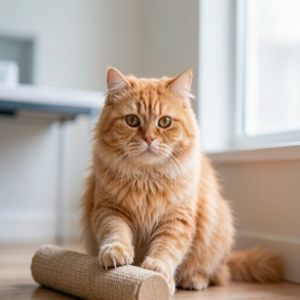
Persistent tearing in Persian (Exotic) cats can have several causes. Their short nasal passages and shallow eye sockets make mild tearing normal, but blocked tear ducts, structural gland issues, conjunctivitis, keratitis, injury, or foreign particles can all increase eye discharge. Diet also plays a role: salty food and low water intake lead to internal heat and heavy tear staining. If tearing continues or comes with redness, fever, poor appetite, vomiting, or diarrhea, see a veterinarian for diagnosis and treatment.
Are Timid Cats More Prone to Stress?
Timid cats really do stress more easily, spooking at small noises or changes like a stranger visiting or rearranged furniture, and a stress response can range from hiding to vomiting, diarrhea, fast breathing, or even urinary blockage and, in extreme cases, death. Stress is a physical and mental reaction that puts the body on alert and, if prolonged, can damage organs or cause sudden collapse. Timid cats tend to be emotionally rich and very sensitive to environment change, so the fix is a stable, quiet home with few surprises, plus gradual socialization to build confidence. After a stress episode, give space and only comfort once calm; seek a vet if signs are severe or persist.
Why Is My Cat’s Skin Red and Swollen?
Red, swollen, itchy, or balding patches that your cat keeps scratching are often a sign of skin disease, and some types can spread to people, so take it seriously. Common causes include allergies, which usually appear symmetrically with intense itch from food, pollen, dust mites, or contact with irritants; infections that enter through small scratches, such as bacteria causing hot, painful, pus-filled spots, fungi causing round hairless red rings that may glow green under a Wood's lamp and can infect humans, or parasites like mange and ear mites; and rare autoimmune issues like pemphigus or lupus that bring symmetric blisters and general signs. Before seeing a vet, put on an Elizabethan collar to stop scratching, switch to a single-protein hypoallergenic diet, remove suspected allergens, and check with a Wood's lamp in the dark: green glow suggests fungus, treat with ketoconazole ointment, while no glow allows antibacterial ointments like zinc oxide, erythromycin, or mupirocin after clipping, rinsing with saline, and disinfecting with iodine. For severe itch, chlorpheniramine can help. If it worsens or brings other symptoms, see a vet for tests, and add B vitamins and fish oil for skin immunity.

100 Essential Tips Every New Cat Owner Should Know
Bringing home a first kitten is exciting but daunting, and poor care can hurt both of you. These 100 essentials cover diet (life-stage food, toxic grapes/chocolate/onion/garlic, no bones or raw meat, fresh water), daily care (brushing, nail and ear cleaning, litter hygiene, n+1 boxes), health (vaccines at 8–12 weeks, deworming, normal temperature 38–39.2°C, spay/neuter, no human meds), behavior (slow blinks, tail talk, no punishment), and home safety (screens, hiding wires, toxic plants, no smoke). Read them once and you'll share a calmer, healthier life with your cat.