Search Results
339 results for “cat feces”
Isn’t it dirty when a cat climbs on the bed after using the litter box?
Yes - paws, belly and rear can carry waste and litter. Wipe the cat with a wet cloth first, and keep the litter box clean and the cat groomed.

How to Safely Cuddle Your Cat and Stay Healthy
Cuddling and nuzzling a cat - playfully called "sniffing the cat" - is a way owners show affection, and cats are uniquely cuddle-friendly because they barely smell. Unlike dogs, whose whole-body sweat glands make them rank without baths, a cat's scattered glands and constant self-grooming, plus sunbathing that kills bacteria, leave little odor. But close contact is not risk-free: diseases in cat feces or on the coat can pass to people. These include toxoplasmosis, cryptosporidiosis, and roundworm (mostly a kitten worry), plus Q fever from Coxiella burnetii, flea-driven skin allergies, and rarely rabies or hepatitis. Enjoy the cuddle, but wash up after, keep indoor cats' litter clean, and be extra careful if you are pregnant or unwell.

What Diseases Does the FVRCP Cat Vaccine Prevent?
The FVRCP vaccine, commonly called the cat triple vaccine, protects against three contagious feline diseases: feline viral rhinotracheitis (FVR), calicivirus (FCV), and panleukopenia (FPV, or feline distemper). It greatly lowers infection risk but is not a full guarantee. Kittens can start at eight weeks, need two to three shots three to four weeks apart, and then an annual booster. Sick or pregnant cats should not be vaccinated.

Can a Cat Get Feline Distemper for No Reason?
Feline distemper, or panleukopenia, sounds terrifying, and for a kitten it can be life-threatening. The good news is a cat cannot catch it from nothing — it is a contact-transmitted virus, so infection only happens after exposure. Even an indoor cat that never goes outside can be infected if the virus is already in the home or is carried in on a person's hands, clothes, or shoes. Understanding how the virus spreads is the key to protecting your cat, and the defense rests on three pillars: vaccination, avoiding contact, and regular disinfection.
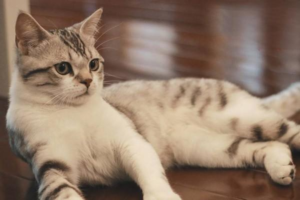
What to Do If Your Dog or Cat Has Tapeworms
Many species of tapeworms parasitize dogs and cats, and the adult worms seriously harm their health, while the larval stages often use livestock or humans as intermediate hosts, threatening both animals and people. Common species include Dipylidium caninum, Taenia spp., Echinococcus granulosus, Mesocestoides, Spirometra mansoni, and Diphyllobothrium. Infection causes intestinal inflammation, malnutrition, and in severe cases intestinal blockage, with signs like vomiting, diarrhea, weight loss, and odd behavior. Diagnosis relies on clinical signs plus fecal egg exams. Prevention means regular deworming, not feeding raw offal, and controlling fleas. Treatment uses praziquantel (5 mg/kg dogs, 2 mg/kg cats), arecoline hydrobromide, bunamidine, or fenbendazole under veterinary guidance. Because some tapeworms (like Echinococcus) also endanger human health, prompt and correct control matters.

Postpartum Care for Mother Cats
Cat birth is long and exhausting, leaving the mother weak and far more vulnerable to disease. Poor aftercare can lead to uterine problems or lasting complications, so postpartum care matters. Within two hours of delivery, observe quietly without disturbing her or the kittens. Then focus on three pillars: nutritious food (more protein, fat, vitamins, and minerals, plus broths and milk), a calm, clean, warm environment with a disinfected nest, and vigilance for uterine disease and mastitis—seeing a vet at the first sign of trouble.
How do dogs catch parvovirus (parvo)?
Canine parvovirus is a severe, contagious disease caused by the parvovirus. Dogs catch it two ways: directly, by contacting the feces and secretions of an infected animal, or indirectly, through contaminated objects or even transmission via people. Because early signs mimic gastroenteritis, PCR testing is usually needed to confirm.

Wuhan Lion Cat
The Wuhan Lion Cat is a goldfish variety with a short, round body whose eyes and mouth are covered by developed head growths, so it is prone to 'head-droop'. It belongs to the Lionhead type.

Anaerobic Infections in Dogs and Cats
Anaerobic infections are caused by bacteria that grow without oxygen, producing tissue death, gas, and foul-smelling discharge. They often mix with pus-forming bacteria and can lead to gas gangrene, malignant edema, and late anemia or dehydration. Opening the wound to air and veterinary antimicrobials are key.

Constipation in Dogs and Cats
Constipation is the difficult or absent passage of stool as fecal material hardens and accumulates in the bowel, eventually distending the intestine. It most often affects older dogs and cats and causes straining, discomfort, and loss of appetite; management ranges from enemas and stool softeners to surgery in severe cases.